

Introduction
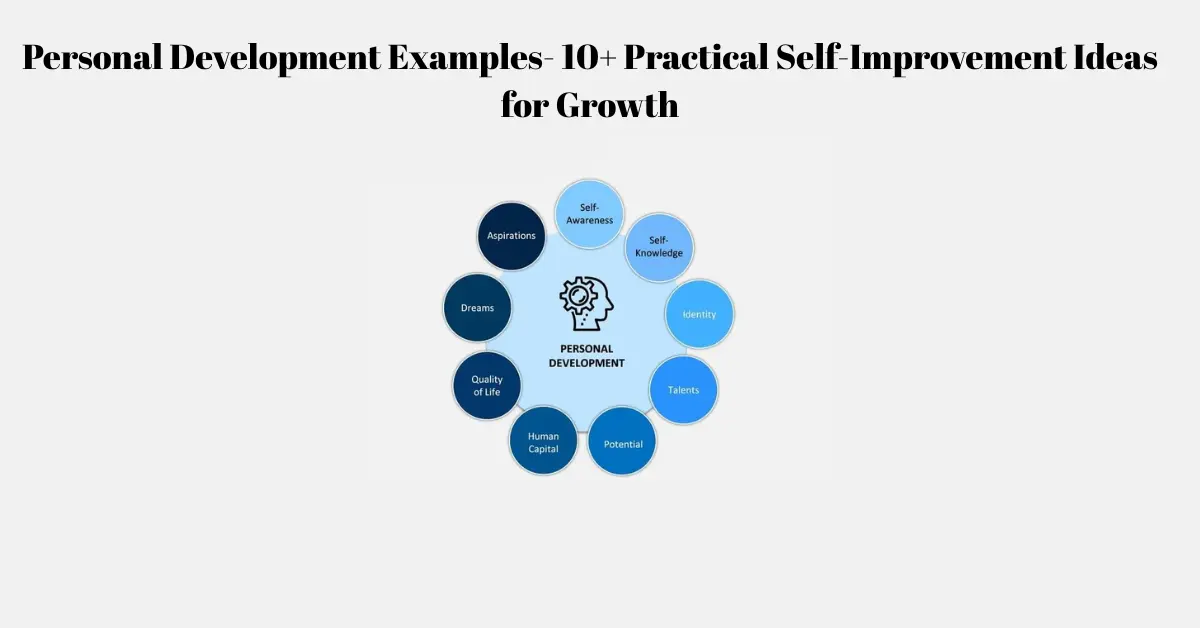
Personal development, in simple terms, is the ongoing process of improving your skills, mindset, habits, and overall quality of life. It’s about understanding who you are, what you want, and taking intentional steps toward becoming the best version of yourself. This is the true personal development meaning—continuous self-improvement and growth in every area of life.
In today’s fast-paced world, personal development matters more than ever. With constant distractions, rising stress levels, and rapid changes in technology and careers, developing yourself intentionally helps you stay focused, confident, and adaptable. It gives you the clarity and strength to handle challenges, build better habits, and achieve your goals.
In this article, you’ll discover practical, real-life personal development examples that you can start applying immediately. Each example is simple, actionable, and designed to help you grow—whether you want to improve your mindset, productivity, relationships, or overall lifestyle.
What Is Personal Development? (Definition & Core Principles)
Personal development is the lifelong process of improving your thoughts, behaviors, habits, and skills so you can reach your full potential. At its core, it’s about understanding yourself deeply—your strengths, weaknesses, values, and goals—and then taking intentional steps to become a better, more capable version of who you already are.
While many people think personal development is only about motivation or success, it actually covers every part of life: your mindset, emotional health, communication, productivity, career, and even your relationships. It’s a holistic approach to self-improvement that helps you grow in ways that truly matter.
Core Principles of Personal Development

- Self-Awareness
Knowing who you are, what drives you, and what holds you back. - Intentional Growth
Actively choosing to improve instead of waiting for life to force change. - Consistency
Small, repeated actions that slowly build meaningful transformation. - Responsibility
Taking ownership of your choices, habits, and direction in life. - Lifelong Learning
Staying open to new knowledge, skills, and experiences. - Mindset Shift
Developing a growth mindset—believing you can learn, adapt, and evolve.
Together, these principles explain the true personal development meaning: growing deliberately so you can improve your life, overcome limitations, and reach your goals with confidence.
Why Personal Development Matters in Today’s World
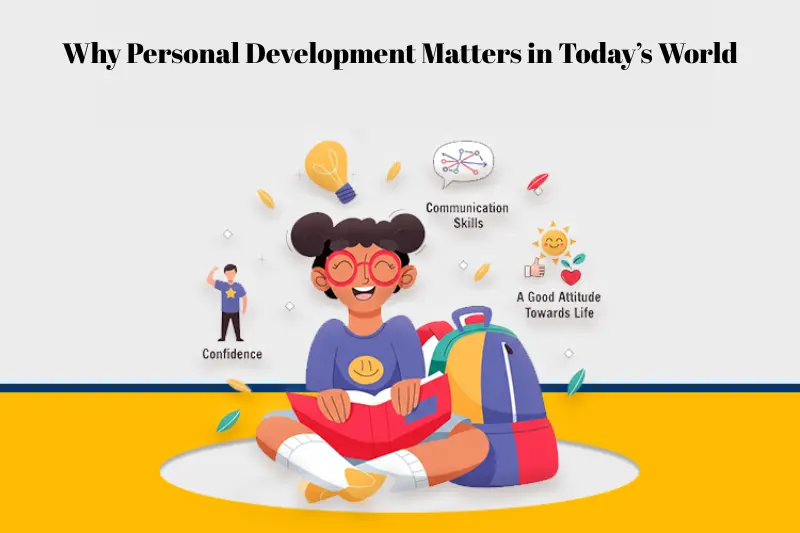
Personal development isn’t just a trend — it’s a necessity in today’s fast-moving, highly competitive world. With constant changes in technology, work environments, and lifestyle demands, improving yourself intentionally helps you stay adaptable, confident, and mentally strong.
Here’s why personal development matters more than ever:
- Keeps You Adaptable
The modern world changes fast. Developing new skills and improving your mindset helps you stay flexible instead of feeling overwhelmed. - Improves Mental Clarity and Focus
When you grow through self-reflection and better habits, you gain the clarity needed to make smarter decisions and avoid distractions. - Boosts Confidence and Self-Worth
Consistent growth builds a stronger belief in your abilities — something essential for success in both personal and professional life. - Strengthens Emotional Health
Personal development teaches emotional control, resilience, and healthy communication, which are crucial for maintaining strong relationships. - Helps You Achieve Goals Faster
When you grow intentionally, you work smarter, stay disciplined, and get closer to your goals with less stress.
In short, personal development helps you navigate life with purpose, confidence, and direction — qualities that make a powerful difference in the modern world.
Practical Personal Development Examples You Can Start Today
Personal development becomes powerful when you turn ideas into action. Here are clear, practical examples that anyone can start using right away to build better habits, strengthen their mindset, and create long-term growth.
Setting Clear, Realistic Goals
Instead of vague plans like “I want to improve,” set specific goals such as “I will read 10 pages every day” or “I will learn one new skill this month.” Clear goals give you direction and motivation.
Building a Daily Reading Habit
Reading just 10–15 minutes a day exposes you to new ideas, improves your mindset, and strengthens your knowledge. This is one of the simplest forms of continuous self-improvement.
Practicing Mindfulness or Meditation
Spending even 5 minutes focusing on your breath helps reduce stress, improve focus, and boost emotional intelligence.
Improving Time Management
Using tools like to-do lists, calendars, or the Pomodoro technique helps you stay organized and productive, especially in a fast-paced environment.
Developing Communication Skills
Learning to listen actively, speak clearly, and express your thoughts boosts confidence and strengthens relationships — both personal and professional.
Exercising Regularly
Physical movement improves your energy, mood, and mental clarity. You don’t need intense workouts; even walking daily counts as personal growth.
Learning a New Skill
Whether it’s writing, coding, cooking, or public speaking, learning something new keeps your mind sharp and builds self-confidence.
Practicing Gratitude
Writing down three things you’re grateful for each day helps shift your mindset toward positivity and reduces stress.
Building Stronger Daily Routines
Simple routines like waking up earlier, journaling, or planning your day create structure and discipline — key ingredients for growth.
Seeking Feedback and Self-Reflection
Regularly asking for feedback or reflecting on your actions helps you understand where you can improve and how you can grow faster.
Benefits of Personal Development
Personal development creates long-term, positive changes that impact every area of your life — from your mindset and confidence to your relationships and career. When you work on improving yourself intentionally, you experience growth that builds a stronger, more successful version of you.
Greater Confidence and Self-Belief
As you build new skills, improve your habits, and understand yourself better, your confidence naturally grows. You start trusting your abilities and making decisions more boldly.
Improved Mental and Emotional Health
Practices like mindfulness, journaling, and reflection help you manage stress, reduce anxiety, and develop emotional resilience — essential for modern life.
Better Focus and Productivity
Personal development helps you prioritize what matters, stay organized, and avoid distractions. This leads to more efficient work and faster progress toward your goals.
Healthier Relationships
Improving your communication skills, empathy, and emotional awareness leads to stronger connections with family, friends, and colleagues.
Stronger Career Growth
Developing professional skills — such as leadership, problem-solving, or time management — makes you more valuable at work and opens doors to new opportunities.
A Clearer Sense of Purpose
When you reflect on your values and goals, you gain clarity about what truly matters. This leads to better life choices and a stronger sense of direction.
More Discipline and Consistency
Building positive habits helps you show up for yourself daily, creating long-term growth and powerful momentum.
Increased Happiness and Life Satisfaction
As you grow emotionally, mentally, and professionally, you feel more fulfilled and in control of your life.
Types of Personal Development
Personal development isn’t one-size-fits-all. It spans multiple areas of life, each contributing to your overall growth. Understanding these types helps you focus on areas that matter most to you.
Personal Growth and Mindset
This involves improving your mental habits, emotional intelligence, and mindset. Activities include journaling, meditation, self-reflection, and cultivating a positive, growth-oriented outlook.
Skills Development
Learning new skills or improving existing ones — such as communication, leadership, problem-solving, or technical abilities — helps you stay competitive and confident.
Emotional and Mental Health
Focusing on emotional awareness, stress management, and self-care strengthens resilience and helps you navigate challenges effectively.
Physical Health and Well-being
Maintaining a healthy body through exercise, nutrition, and sleep enhances your energy, focus, and overall quality of life.
Career and Professional Growth
Developing your career involves improving professional skills, networking, leadership, and productivity to reach your long-term goals.
Relationships and Social Skills
Personal development also includes building strong relationships through better communication, empathy, and understanding others’ perspectives.
Financial Growth and Management
Learning to manage finances, save, invest, and plan for the future is another key aspect of personal development, contributing to security and independence.
Spiritual Development (Optional)
For some, personal development includes exploring values, purpose, and meaning in life, which fosters inner peace and fulfillment.
How to Create a Personal Development Plan (Step-by-Step)
A personal development plan turns ideas into action. It helps you focus on growth, track progress, and achieve your goals systematically. Here’s a simple step-by-step guide you can follow:
Step 1: Self-Assessment
Start by evaluating your current situation. Ask yourself questions like:
- What are my strengths and weaknesses?
- Which areas of my life need improvement?
- What habits or patterns are holding me back?
This step builds self-awareness, a cornerstone of personal development.
Step 2: Set Clear Goals
Define specific, measurable, achievable, relevant, and time-bound (SMART) goals.
Example: Instead of “I want to read more,” say, “I will read one personal development book per month.”
Step 3: Identify Actionable Steps
Break your goals into smaller actions you can take daily or weekly.
Example: If your goal is to improve fitness, your steps could include:
- Walk 10,000 steps daily
- Exercise three times a week
- Track progress in a journal
Step 4: Prioritize Skills and Habits
Focus on the most impactful areas first. For instance:
- Mindset: daily journaling or meditation
- Career: learning a new skill
- Relationships: active listening exercises
Step 5: Track Your Progress
Regularly review your growth to stay on track. Use tools like journals, apps, or progress charts. Celebrate small wins—they motivate you to keep going.
Step 6: Reflect and Adjust
Personal development is flexible. Reflect weekly or monthly:
- What’s working well?
- What obstacles are slowing progress?
- What adjustments can I make to improve results?
Step 7: Stay Consistent
Consistency is key. Even small steps, repeated daily, create long-term growth and sustainable change.
Conclusion
Personal development is more than a buzzword — it’s a lifelong journey of self-improvement, growth, and intentional action. By understanding the personal development meaning, exploring practical examples, and focusing on areas like mindset, skills, health, and relationships, you can transform your life step by step.
The key is to take action. Start small, stay consistent, and track your progress. Whether it’s setting clear goals, practicing mindfulness, learning a new skill, or improving your communication, every effort you make contributes to your growth.
Remember, personal development is not about perfection — it’s about becoming a better version of yourself each day. Apply the examples and strategies in this article, and you’ll notice meaningful changes in your confidence, productivity, relationships, and overall happiness.
Start your journey today, and embrace the power of personal development to create the life you truly want.
