

Introduction
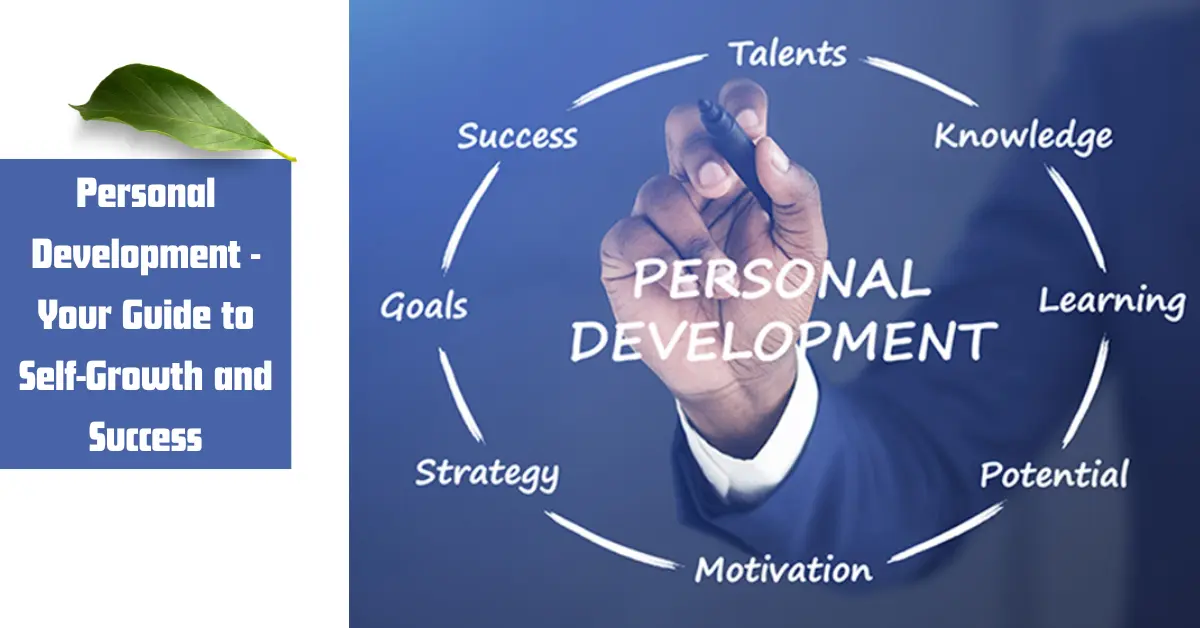
In an ever-evolving world where change is constant and competition is fierce, personal development has become more than just a buzzword—it’s a necessity. At its core, personal development is the ongoing process of self-improvement through conscious habits, learning, and reflection. It involves enhancing your skills, mindset, emotional intelligence, and overall well-being to become the best version of yourself.
Today, investing in your own self-growth is one of the most powerful decisions you can make. Whether you’re looking to advance your career, build better relationships, or simply live a more fulfilling life, personal development provides the foundation for lasting transformation.
In this article, we’ll break down exactly what personal development means, why it’s so important in today’s fast-paced world, and most importantly—how you can start your own journey. From proven strategies to practical tools, you’ll discover everything you need to fuel your path toward meaningful self-improvement.
What is Personal Development?
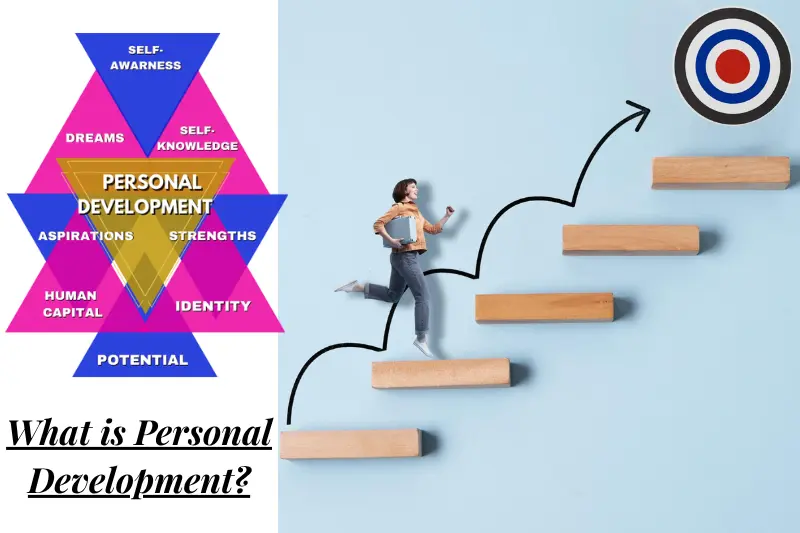
Personal development is the lifelong process of improving your awareness, identity, skills, and potential. It’s about actively working on yourself—mentally, emotionally, and sometimes even spiritually—to live a more intentional, successful, and satisfying life.
This journey often begins with self-awareness—understanding your thoughts, behaviors, strengths, and areas for growth. From there, you set goals, build positive habits, and develop the mindset and discipline needed to achieve lasting change.
Unlike quick-fix solutions or motivational hype, true self-growth requires consistent effort and reflection. It’s not about becoming someone else, but becoming the best version of yourself.
While personal development overlaps with self-help, there’s a subtle difference. Self-help often focuses on addressing specific problems or challenges (like anxiety, productivity, or confidence), whereas personal development is broader—covering everything from career progression to emotional resilience and even spiritual fulfillment.
May be you like it :
Academic Education Definition And Meaning Explained
Learn From the Best TFT Players – Top Tips To Climb Ranked Fast
Community Learning Center Academics – Educational Programs at Rowville Community Centre
Academic Learning Disabilities – Causes, and Support Strategies
What Was One Important Academic Skill the Blogger Learned? Discover the Game-Changing Habit
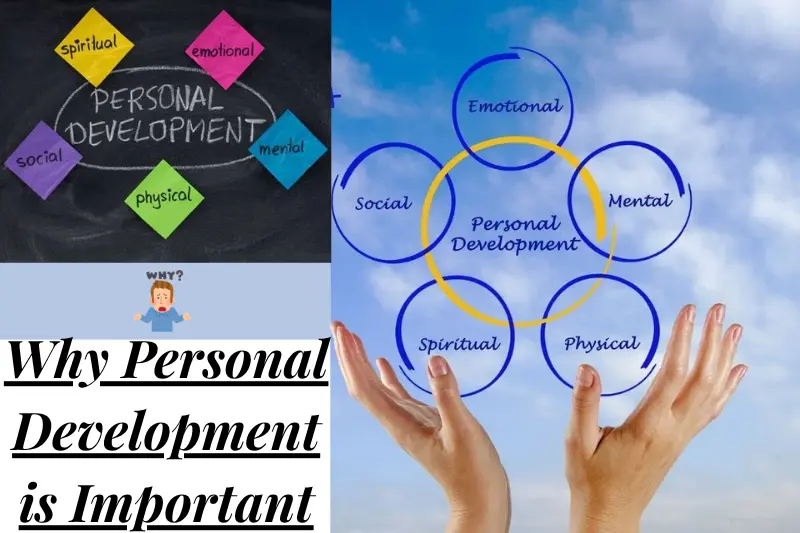
Key Areas of Personal Development Include:
- Emotional development – managing emotions and building empathy
- Mental development – improving focus, critical thinking, and resilience
- Physical development – maintaining health, energy, and vitality
- Spiritual development – exploring purpose, values, and inner peace
- Social development – strengthening communication and relationships
- Professional development – advancing skills and career opportunities
Whether you’re aiming to boost confidence, master time management, or cultivate a growth mindset, personal development empowers you to take control of your life—one step at a time.
Why Personal Development is Important
In today’s fast-paced, high-pressure world, the ability to adapt, grow, and manage your mindset is more valuable than ever. Personal development isn’t just about self-improvement—it’s a key to living a more meaningful, productive, and resilient life.
It Builds a Growth Mindset
A strong personal development practice helps you adopt a growth mindset—the belief that abilities and intelligence can be developed through effort and learning. Instead of fearing failure, you start seeing challenges as opportunities to grow.
This shift in thinking encourages you to take risks, embrace change, and stay motivated even when things get tough.
It Improves Mental and Emotional Well-Being
Through practices like journaling, reflection, and mindfulness, personal development helps you manage stress, build confidence, and increase emotional intelligence. You become more in tune with your thoughts and feelings, which leads to better decision-making and healthier relationships.
It Boosts Productivity and Focus
By setting goals, creating routines, and improving time management, you can significantly increase your productivity. Personal development teaches you how to work smarter—not harder—by focusing on what truly matters.
It Strengthens Relationships
Working on your communication skills, empathy, and self-awareness improves how you relate to others. Whether in your personal life or professional environment, these changes can lead to deeper, more meaningful connections.
It Supports Career and Financial Growth
Those who actively invest in self-growth often outperform others in their careers. By continuously learning new skills and refining existing ones, you open doors to better job opportunities, leadership roles, and financial success.
It Gives You Purpose and Direction
Personal development helps you align your actions with your values and long-term vision. Instead of drifting through life, you gain clarity about who you are, what you want, and how to get there.
May be you like it :
Business Soft – Best Business Software And Tools 2025
Deaf Owned Business- Empowering Inclusion and Innovation
Digital Marketing for Small Businesses by Garage 2 Global – Grow Your Brand Online
FtAsiaFinance Business Trends from FintechAsia – 2025 Fintech Insights Across Asia
Eagle Pass Business – A Growing Hub for Texas Entrepreneurs
7 Pillars of Personal Development
To truly grow and evolve, personal development must be approached holistically. It’s not just about reading more books or working harder—it’s about strengthening every area of your life. Below are the 7 core pillars of personal development, each one supporting your overall self-growth journey.
Self-Awareness
Understanding who you are—your strengths, weaknesses, values, beliefs, and emotions—is the foundation of all growth. Self-awareness allows you to make better choices, manage your reactions, and stay aligned with your true purpose.
Try this: Start journaling daily to reflect on your thoughts, decisions, and behaviors.
Goal Setting
Without clear goals, personal development lacks direction. Setting SMART goals (Specific, Measurable, Achievable, Relevant, Time-bound) gives your growth journey structure and motivation.
Try this: Break large goals into smaller, actionable steps and track progress weekly.
Time Management
Mastering your time means mastering your life. Good time management helps you focus on what truly matters, reduce stress, and make room for personal growth activities.
Try this: Use time-blocking or the Pomodoro Technique to stay productive and avoid burnout.
Emotional Intelligence
This is your ability to recognize, understand, and manage your own emotions—while also being aware of others’. Emotional intelligence improves communication, relationships, and stress management.
Try this: Practice empathy during conversations and pause before reacting emotionally.
Communication Skills
From personal relationships to professional success, strong communication skills are essential. Being clear, assertive, and a good listener increases your influence and helps avoid misunderstandings.
Try this: Join a public speaking group or practice active listening in daily conversations.
Health & Wellness
Your body and mind are deeply connected. A healthy lifestyle fuels focus, energy, and resilience—all crucial for long-term personal development.
Try this: Prioritize sleep, regular exercise, and mindful nutrition as non-negotiables.
Continuous Learning
Growth is a never-ending process. Whether through books, courses, or real-world experiences, committing to lifelong learning ensures you stay curious, adaptable, and competitive.
Try this: Set a goal to read one new personal growth book or complete one course every month.
Together, these seven pillars form the solid foundation of self-improvement. Strengthening each area leads to balanced, sustainable growth—and a more fulfilling life.
May be you like it :
15+ Personal Development Synonyms to Improve Your Writing And Growth in 2025
Personal Development Life Coaching – Transform Your Life with Expert Guidance
What Is Personal Development? Meaning, Benefits, and Life Coaching Insights
Example of Personality Development – Key Tips, Benefits An Real-Life Examples
Personal Development – Your Guide to Self-Growth and Success
How to Start Your Personal Development Journey
Starting your personal development journey can feel overwhelming at first, especially with so many tools, books, and strategies available. The good news? You don’t need to have it all figured out. What matters most is taking the first step—and committing to consistent self-growth over time.
Here’s a simple, step-by-step guide to get started:
Assess Where You Are Right Now
Before you can grow, you need to understand your current mindset, habits, and challenges. This step is about developing self-awareness.
Ask yourself:
- What areas of my life feel out of balance?
- What habits are helping—or hurting—my progress?
- What are my core strengths and weaknesses?
Define Your Vision and Purpose
Personal development becomes meaningful when it’s tied to a larger life purpose. Get clear on what you truly want from your life—emotionally, professionally, financially, and spiritually.
Try this: Write a personal mission statement that reflects your long-term goals and values.
Set Clear and Achievable Goals
Break your big vision into SMART goals—Specific, Measurable, Achievable, Relevant, and Time-bound. This turns abstract ideas into tangible targets.
Example: Instead of “I want to be healthier,” set a goal like “I will work out 3 times a week for 30 minutes.”
Create a Personal Development Plan
Your plan should outline:
- Daily and weekly habits
- Skills to develop
- Resources you’ll use (books, courses, mentors)
Keep it simple and realistic—this isn’t about perfection, it’s about progress.
Build Better Habits Through Discipline
Success in self-growth depends on your ability to take small, consistent actions. Focus on building routines that support your goals, such as a morning routine, regular exercise, or scheduled reading time.
Tip: Start small. Replace one bad habit with a good one, and build from there.
Practice Regular Self-Reflection
Growth isn’t always linear. Use weekly or monthly check-ins to reflect on your progress, challenges, and mindset shifts. This keeps you accountable and encourages self-discipline.
Try this: Use a journal or an app to track your progress and celebrate small wins.
Be Patient and Stay Consistent
Real transformation takes time. Don’t let setbacks discourage you. The key is to stay committed, even when motivation dips.
Remember: Consistency beats intensity when it comes to personal development.
Starting your personal development journey doesn’t require perfection—only intention. Begin with small steps, stay consistent, and you’ll be amazed at how far you can go.
Personal Development Tools and Resources
| Category | Resource/Tool | Purpose |
|---|---|---|
| Books | Atomic Habits – James Clear | Build consistent habits and routines |
| The 7 Habits of Highly Effective People – Stephen Covey | Develop leadership and personal mastery | |
| Mindset – Carol Dweck | Adopt a growth mindset | |
| The Power of Now – Eckhart Tolle | Improve mindfulness and presence | |
| Deep Work – Cal Newport | Master focus and productivity | |
| Apps | Headspace / Calm | Daily meditation and stress reduction |
| Habitica / HabitBull | Habit tracking and habit building | |
| Notion / Evernote | Goal planning, journaling, and organization | |
| Blinkist | Get quick summaries of popular personal growth books | |
| Fabulous | Build and maintain daily routines | |
| Podcasts | The Tim Ferriss Show | Learn from high performers and their personal routines |
| The School of Greatness – Lewis Howes | Motivation and actionable advice | |
| Optimal Living Daily | Bite-sized tips on productivity and mindset | |
| The Tony Robbins Podcast | Personal power, finance, and peak performance | |
| On Purpose – Jay Shetty | Purpose-driven living and mental wellness | |
| Online Learning | Udemy | Affordable self-development courses |
| Coursera | University-level learning in psychology, leadership, etc. | |
| Mindvalley | Premium content on personal transformation | |
| LinkedIn Learning | Courses for professional and personal growth | |
| Daily Tools | Journal or planner | Daily reflection, planning, and accountability |
| Vision board | Visual motivation for goals and aspirations | |
| Mentor or accountability partner | External feedback and support |
Tip: Start with just one or two tools that align with your current personal development goals. Over time, expand your toolbox as your journey evolves.
Habits That Accelerate Personal Growth
Your habits shape your future more than your goals ever will. While setting goals gives you direction, it’s your daily habits that determine whether you actually get there. To fuel lasting self-growth, you need routines that reinforce clarity, discipline, and focus.
Here are some of the most effective personal development habits you can adopt today:
| Habit | Why It Matters | Pro Tip / Action Step |
|---|---|---|
| 1. Morning Routine | Sets the tone for a productive and intentional day | Start with 10 minutes of silence, gratitude, or stretching |
| 2. Daily Journaling | Builds self-awareness, tracks progress, and clears mental clutter | Write about your wins, struggles, and what you’re learning |
| 3. Reading (15–30 mins/day) | Expands your mindset, knowledge, and vocabulary | Choose books that align with your personal growth goals |
| 4. Goal Review and Planning | Keeps you focused and aligned with your long-term vision | Review goals weekly and adjust based on your progress |
| 5. Meditation or Mindfulness | Reduces stress and improves emotional control and clarity | Start with 5 minutes of focused breathing using apps like Headspace |
| 6. Physical Exercise | Boosts energy, focus, and discipline — essential for personal and professional success | Aim for 20–30 minutes of movement daily (even walking counts) |
| 7. Limiting Social Media | Helps reclaim time, reduce comparison, and protect mental health | Use time-limiting apps or set a “no-scroll” rule before 10am |
| 8. Gratitude Practice | Shifts focus from lack to abundance, which supports mental and emotional growth | List 3 things you’re grateful for each morning or evening |
| 9. Learning Something New | Keeps your brain active, adaptable, and open to opportunities | Take an online course or read on a topic outside your comfort zone |
| 10. Evening Reflection | Encourages closure, accountability, and learning from your day | Ask: “What went well? What can I improve tomorrow?” |
Remember: Small daily improvements are the key to long-term transformation. Choose 2–3 habits to start with, stay consistent, and build from there.
Conclusion
Personal development is a powerful journey of self-growth and continuous self-improvement that touches every part of your life—mind, body, emotions, and spirit. In today’s fast-paced and ever-changing world, investing in your personal growth is essential not just for success, but for happiness and fulfillment.
By understanding the core principles of personal development, building strong habits, and using the right tools and resources, you can create meaningful change that lasts a lifetime. Remember, the path to becoming your best self is not about perfection but progress—small, consistent steps that add up over time.
Whether you’re just starting out or deep into your journey, stay patient, stay disciplined, and keep your goals aligned with your true purpose. Your commitment to personal development will empower you to unlock new opportunities, overcome challenges, and live a more intentional, rewarding life.
May be you like it :
Why Is It Important to Study Technology and Engineering? Key Benefits And Career Insights
Technology and IT- Key Trends Impact and Future Insights
Technology and IT Services – Innovative Solutions for Your Business
How Healthcare and IT Technology – Are Transforming the Future of Medical Care
