


Introduction
Academic learning disabilities are neurological disorders that affect how individuals process and retain information, impacting their ability to read, write, or perform math-related tasks. These disabilities are not related to intelligence but can significantly challenge students’ academic progress and confidence.
Raising awareness about academic learning disabilities is essential because early identification and intervention can make a world of difference. When educators, parents, and students understand these challenges, they can implement effective strategies and support systems that help learners thrive. Addressing academic learning disabilities early on not only improves educational outcomes but also fosters self-esteem and lifelong learning skills.
What Are Academic Learning Disabilities?
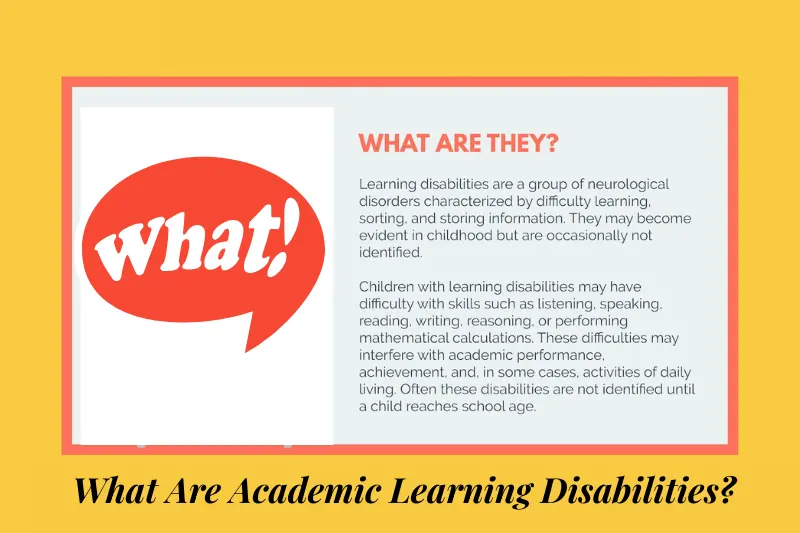
Academic learning disabilities are specific neurological disorders that affect the brain’s ability to receive, process, store, and respond to information. These disabilities primarily interfere with academic skills such as reading, writing, and mathematics. Unlike general learning difficulties, academic learning disabilities are diagnosed based on specific criteria and are not caused by lack of intelligence, motivation, or poor teaching.
Common examples include dyslexia, which affects reading and language processing; dyscalculia, which impacts mathematical skills; and dysgraphia, which influences writing abilities. Understanding these distinctions is crucial in recognizing the unique challenges faced by students with academic learning disabilities and tailoring support accordingly.
May be you like it :
Academic Education Definition And Meaning Explained
Learn From the Best TFT Players – Top Tips To Climb Ranked Fast
Community Learning Center Academics – Educational Programs at Rowville Community Centre
Academic Learning Disabilities – Causes, and Support Strategies
What Was One Important Academic Skill the Blogger Learned? Discover the Game-Changing Habit
Common Types of Academic Learning Disabilities
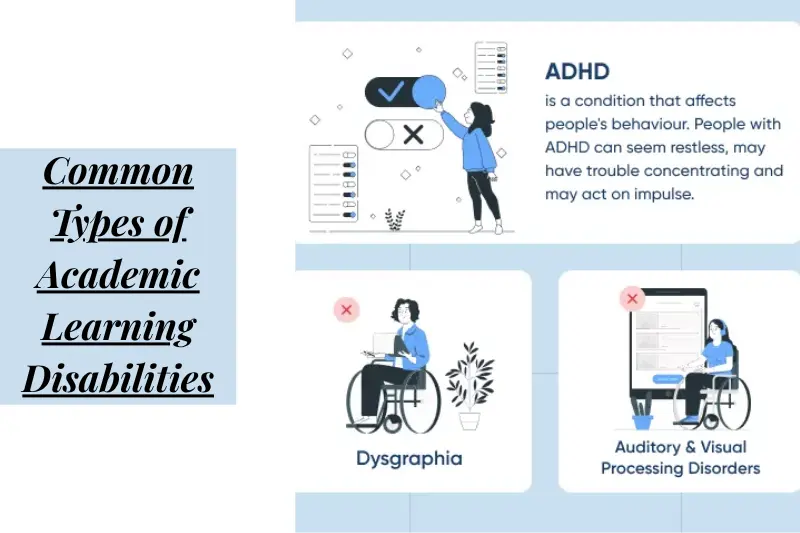
Academic learning disabilities can manifest in various ways, each affecting different aspects of a student’s educational experience. The most common types include:
- Dyslexia: This is a learning disability that primarily affects reading and language processing. Students with dyslexia may struggle with decoding words, reading fluently, and understanding text, despite having average or above-average intelligence.
- Dyscalculia: Often referred to as a math learning disability, dyscalculia impacts a student’s ability to understand numbers and perform mathematical calculations. It can make tasks like counting, measuring, and recognizing patterns especially challenging.
- Dysgraphia: This affects writing skills, including handwriting, spelling, and organizing thoughts on paper. Students with dysgraphia may have difficulty producing legible writing or expressing ideas clearly in written form.
Recognizing these common types of academic learning disabilities helps educators and parents provide the right support tailored to each student’s needs.
Causes and Risk Factors
The causes of academic learning disabilities are complex and often involve a combination of genetic, neurological, and environmental factors. Research suggests that these disabilities may run in families, indicating a genetic component that affects brain development and functioning.
Neurological differences in how the brain processes information play a significant role. For example, variations in brain regions responsible for language, memory, or processing speed can contribute to specific learning difficulties.
Environmental factors such as prenatal exposure to toxins, premature birth, or early childhood illnesses may also increase the risk of developing academic learning disabilities. While these factors can influence the likelihood, it is important to remember that academic learning disabilities are not caused by poor teaching methods or lack of effort from the student.
Understanding these causes and risk factors is essential for early identification and creating effective support plans.
May be you like it :
Business Soft – Best Business Software And Tools 2025
Deaf Owned Business- Empowering Inclusion and Innovation
Digital Marketing for Small Businesses by Garage 2 Global – Grow Your Brand Online
FtAsiaFinance Business Trends from FintechAsia – 2025 Fintech Insights Across Asia
Eagle Pass Business – A Growing Hub for Texas Entrepreneurs
Signs and Symptoms in Students
Recognizing the signs of academic learning disabilities early can lead to timely intervention and better outcomes. While symptoms may vary depending on the type of learning disability, some common warning signs include:
- Difficulty reading aloud or understanding what is read
- Struggling to grasp basic math concepts or perform calculations
- Trouble with handwriting, spelling, or organizing written work
- Taking longer than peers to complete assignments
- Avoidance of tasks involving reading, writing, or math
- Difficulty following instructions or remembering sequences
These signs may appear in early childhood but can become more noticeable as academic demands increase. Teachers and parents should pay close attention if a child consistently struggles in these areas despite effort and intelligence.
Diagnosing Academic Learning Disabilities
Diagnosing academic learning disabilities involves a comprehensive evaluation by educational psychologists, specialists, or healthcare professionals. The process typically includes:
- Standardized testing to assess specific academic skills like reading, writing, and math
- Cognitive assessments to evaluate memory, processing speed, and reasoning abilities
- Observation and interviews with the student, parents, and teachers to understand learning behaviors and challenges
- Reviewing the student’s academic history and previous interventions
Early diagnosis is crucial, as it opens the door to targeted support and accommodations. It also helps prevent frustration and negative self-esteem issues that may arise from undiagnosed learning difficulties.
Strategies and Support for Students with Academic Learning Disabilities
Supporting students with academic learning disabilities requires a tailored approach that addresses their unique challenges. Some effective strategies include:
- Classroom accommodations: Extra time on tests, simplified instructions, and use of assistive technology can help students better access the curriculum.
- Individualized Education Plans (IEPs): These legally binding plans outline specific goals and accommodations tailored to a student’s needs.
- Specialized tutoring and therapy: Targeted interventions such as reading specialists, occupational therapy for handwriting difficulties, or math tutoring can improve skills.
- Collaborative support: Teachers, parents, and specialists working together to monitor progress and adjust strategies as needed.
- Building self-esteem: Encouraging strengths and celebrating small successes help boost confidence and motivation.
With the right support system, students with academic learning disabilities can overcome obstacles and reach their full potential.
May be you like it :
15+ Personal Development Synonyms to Improve Your Writing And Growth in 2025
Personal Development Life Coaching – Transform Your Life with Expert Guidance
What Is Personal Development? Meaning, Benefits, and Life Coaching Insights
Example of Personality Development – Key Tips, Benefits An Real-Life Examples
Personal Development – Your Guide to Self-Growth and Success
Impact on Academic Performance and Self-Esteem
Academic learning disabilities can significantly affect a student’s performance in school. Struggling with reading, writing, or math often leads to frustration, lower grades, and feelings of failure. These challenges can also impact a student’s self-esteem and motivation, making it harder to stay engaged in learning.
However, with understanding and appropriate support, students can develop coping strategies and build confidence. Emotional and psychological support, alongside academic help, is essential to address the feelings of frustration or anxiety that may accompany learning disabilities. Encouraging a positive mindset and resilience helps students not only succeed academically but also thrive socially and emotionally.
Myths and Misconceptions about Learning Disabilities
There are many myths surrounding learning disabilities that can create stigma and misunderstanding. Let’s clear up some of the most common misconceptions:
- Myth 1: Learning disabilities mean low intelligence.
Fact: Learning disabilities are not related to intelligence. Many students with learning disabilities have average or above-average intelligence. - Myth 2: Students with learning disabilities just need to try harder.
Fact: These disabilities are neurological and not due to lack of effort. Appropriate strategies and interventions are needed. - Myth 3: Learning disabilities can be outgrown.
Fact: While support can help manage challenges, learning disabilities are lifelong conditions. - Myth 4: Only children have learning disabilities.
Fact: Learning disabilities affect individuals of all ages, including adults.
Understanding the truth behind these myths promotes empathy and encourages proper support for individuals with academic learning disabilities.
Conclusion
Academic learning disabilities affect many students but do not define their potential or intelligence. By increasing awareness and recognizing the signs early, parents, educators, and students themselves can take important steps toward effective support and intervention.
With the right strategies, accommodations, and emotional encouragement, students with academic learning disabilities can overcome challenges and succeed academically and personally. If you suspect a learning disability, seeking a professional evaluation is the first step toward helping a student thrive.
Remember, understanding academic learning disabilities is key to creating inclusive learning environments where every student has the opportunity to shine.
May be you like it :
Why Is It Important to Study Technology and Engineering? Key Benefits And Career Insights
Technology and IT- Key Trends Impact and Future Insights
Technology and IT Services – Innovative Solutions for Your Business
How Healthcare and IT Technology – Are Transforming the Future of Medical Care
