

Introduction
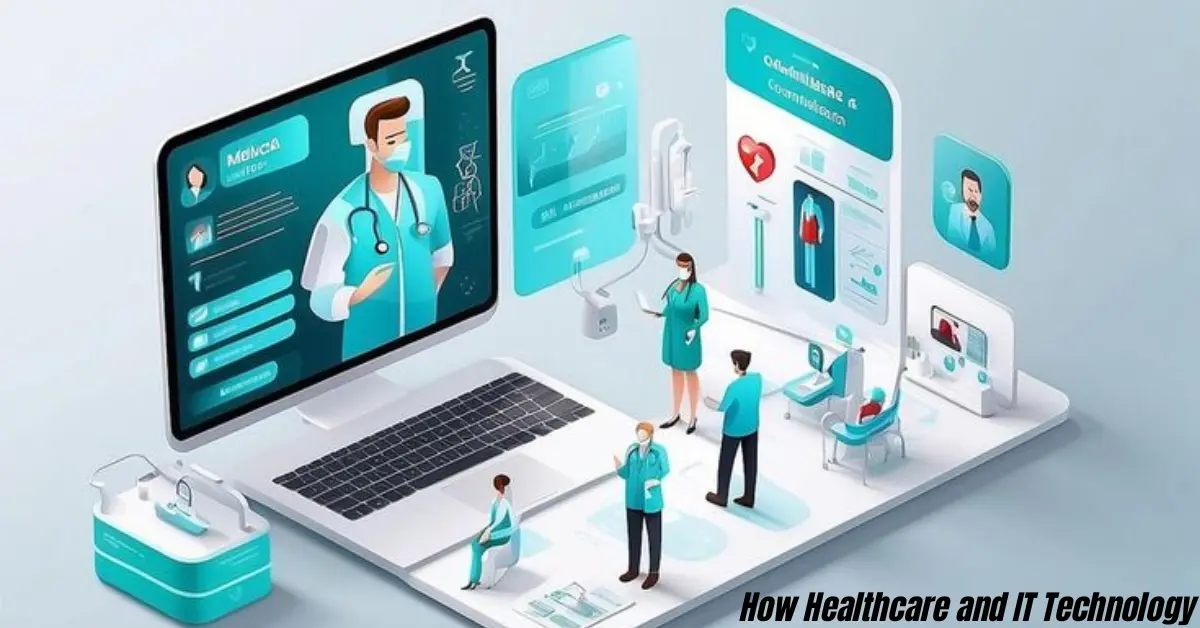
The integration of healthcare and IT technology is revolutionizing the medical landscape, paving the way for faster, smarter, and more efficient care. From digital patient records to AI-powered diagnostics, modern technology is streamlining healthcare processes like never before. This shift isn’t just about convenience—it’s about saving lives, improving patient outcomes, and enhancing operational efficiency across the board. The digital transformation in healthcare is no longer a future concept; it’s happening now, reshaping everything from remote consultations to real-time health monitoring. As technology continues to evolve, its impact on healthcare will only grow deeper and more transformative.
The Role of IT in Healthcare: An Overview
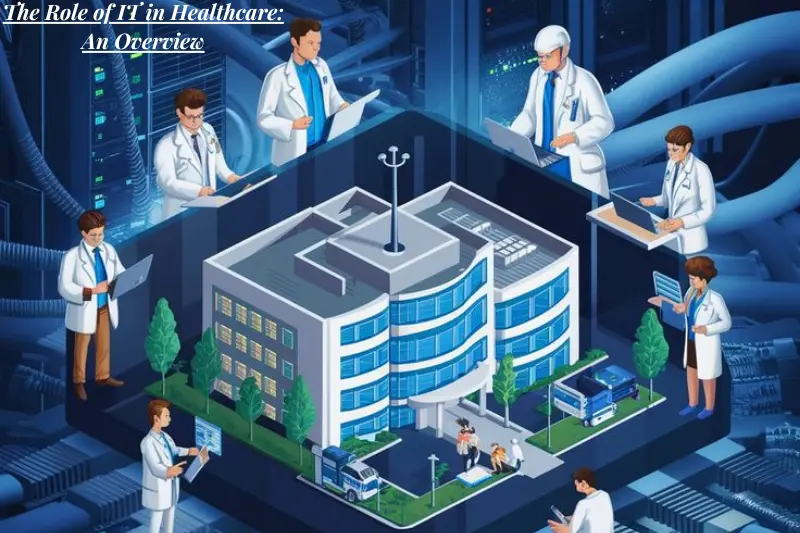
Information Technology has become the backbone of modern healthcare systems, enabling innovations that were once unimaginable. Key technologies such as Electronic Health Records (EHRs) have replaced paper charts, allowing for faster, more accurate access to patient information. Telemedicine platforms are bridging the gap between patients and healthcare providers, especially in remote or underserved areas. Additionally, wearable devices and IoT sensors continuously monitor vital signs, giving doctors real-time data to make informed decisions.
Cloud computing ensures that massive amounts of healthcare data are stored securely and are accessible from multiple locations, while interoperability standards help different systems communicate seamlessly. However, as healthcare becomes more digitized, concerns around cybersecurity and data privacy are paramount, requiring robust IT infrastructure and vigilant management.
By leveraging these technologies, the healthcare industry is moving toward more personalized, efficient, and proactive care.
May be you like it :
Academic Education Definition And Meaning Explained
Learn From the Best TFT Players – Top Tips To Climb Ranked Fast
Community Learning Center Academics – Educational Programs at Rowville Community Centre
Academic Learning Disabilities – Causes, and Support Strategies
What Was One Important Academic Skill the Blogger Learned? Discover the Game-Changing Habit
Benefits of IT in Healthcare
The fusion of healthcare and IT technology is delivering numerous benefits that are transforming patient care and medical operations. One of the most significant advantages is the improvement in patient outcomes through faster diagnostics and personalized treatment plans powered by data analytics. Electronic Health Records (EHRs) reduce errors and ensure that healthcare providers have complete, up-to-date information at their fingertips.
Healthcare administration has also become more streamlined thanks to automation tools that simplify billing, scheduling, and resource management. Telehealth services, a product of this digital transformation in healthcare, are expanding access to care by enabling remote consultations and continuous monitoring, particularly for chronic disease patients.
Moreover, advanced security measures in IT systems help protect sensitive patient data, fostering trust and compliance with regulatory standards. As healthcare innovation accelerates, the integration of IT technology continues to play a pivotal role in enhancing efficiency and quality across the medical field.
Digital Transformation in Healthcare: Real-World Impact
The digital transformation in healthcare is not just theoretical—it’s making tangible differences across the globe. Artificial intelligence (AI) is being used to analyze medical images with unprecedented accuracy, helping radiologists detect diseases earlier than ever before. Predictive analytics allow healthcare providers to identify high-risk patients and intervene before health issues escalate, improving outcomes and reducing costs.
Smart hospitals are increasingly adopting automation and Internet of Things (IoT) devices to monitor equipment and patient conditions in real-time, creating safer and more efficient environments. Blockchain technology is also emerging as a secure way to manage and share medical records, ensuring data integrity and privacy.
Despite these advancements, challenges such as technology integration and staff training remain, but the benefits clearly demonstrate how healthcare and IT technology together are shaping the future of medical care.
May be you like it :
Business Soft – Best Business Software And Tools 2025
Deaf Owned Business- Empowering Inclusion and Innovation
Digital Marketing for Small Businesses by Garage 2 Global – Grow Your Brand Online
FtAsiaFinance Business Trends from FintechAsia – 2025 Fintech Insights Across Asia
Eagle Pass Business – A Growing Hub for Texas Entrepreneurs
Challenges and Concerns
While the integration of healthcare and IT technology offers transformative benefits, it also presents several challenges that must be addressed. One of the most pressing concerns is healthcare data security—with sensitive patient information increasingly stored and transmitted digitally, protecting against cyberattacks and data breaches is critical.
Additionally, many healthcare organizations face high costs associated with implementing and maintaining advanced IT infrastructure. Legacy systems often lack interoperability, making it difficult to seamlessly share data across platforms and institutions. This fragmentation can hinder coordinated patient care.
Another barrier is the resistance to adopting new technology, whether due to lack of training, fear of change, or workflow disruptions. Overcoming these challenges requires comprehensive strategies focused on cybersecurity, staff education, and system integration to fully realize the potential of IT in healthcare.
May be you like it :
15+ Personal Development Synonyms to Improve Your Writing And Growth in 2025
Personal Development Life Coaching – Transform Your Life with Expert Guidance
What Is Personal Development? Meaning, Benefits, and Life Coaching Insights
Example of Personality Development – Key Tips, Benefits An Real-Life Examples
Personal Development – Your Guide to Self-Growth and Success
Future Trends in Healthcare and IT Technology
The future of healthcare is deeply intertwined with the continuous evolution of IT technology. Artificial Intelligence (AI) and machine learning are set to play even larger roles in diagnostics and treatment recommendations, enabling more precise and personalized medicine. The rise of Internet of Things (IoT) devices will allow for continuous, real-time health monitoring, empowering both patients and providers with timely data.
Virtual reality (VR) and augmented reality (AR) technologies are being developed to enhance surgical training and patient rehabilitation, offering immersive and interactive experiences. Predictive analytics will increasingly support preventive care by identifying health risks before they become critical.
As these innovations unfold, the collaboration between healthcare and IT technology will drive smarter, more efficient, and patient-centered care, setting new standards for the industry’s future.
Conclusion
The convergence of healthcare and IT technology is reshaping the medical field, driving unprecedented improvements in patient care, operational efficiency, and data management. From the widespread adoption of electronic health records to cutting-edge AI diagnostics and telemedicine, the digital transformation in healthcare is already delivering life-changing benefits.
While challenges such as data security and system integration remain, embracing these innovations is essential for healthcare providers aiming to stay at the forefront of medical advancements. As technology continues to evolve, staying informed and adaptable will be key to unlocking the full potential of healthcare IT and improving outcomes for patients worldwide.
May be you like it :
Why Is It Important to Study Technology and Engineering? Key Benefits And Career Insights
Technology and IT- Key Trends Impact and Future Insights
Technology and IT Services – Innovative Solutions for Your Business
How Healthcare and IT Technology – Are Transforming the Future of Medical Care
