

Introduction
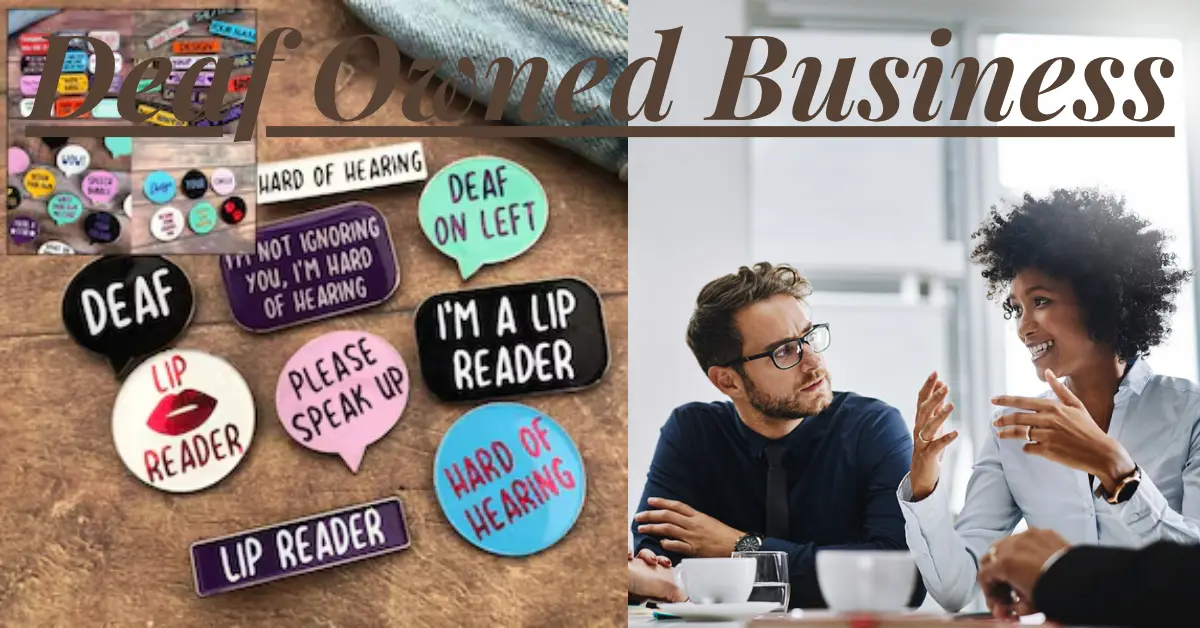
In today’s increasingly inclusive world, deaf-owned businesses are gaining well-deserved recognition for their innovation, resilience, and contribution to the global economy. These enterprises, founded and led by members of the Deaf community, are not just breaking communication barriers — they’re redefining what it means to be an entrepreneur. From creative agencies and cafés to tech startups and fashion brands, deaf business owners are proving that accessibility and success can go hand in hand.
Supporting a Deaf-owned business goes far beyond making a purchase — it’s a powerful way to promote diversity, economic empowerment, and social inclusion. Every transaction becomes a statement of support for equal opportunity and representation. As more people seek to align their spending with their values, deaf entrepreneurs are finding new visibility, new customers, and new ways to amplify their voices — in every sense of the word.
What Is a Deaf-Owned Business?
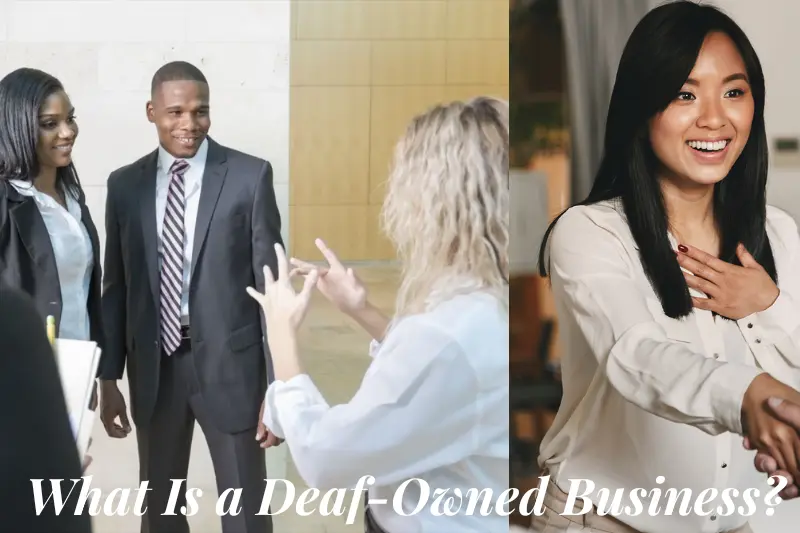
A deaf-owned business is a company that is owned, managed, or primarily operated by one or more deaf or hard-of-hearing individuals. In most cases, these businesses are at least 51% owned by members of the Deaf community, giving them full control over business decisions, management, and branding. Just like any other enterprise, they span across industries — from retail and food service to digital marketing, education, and technology.
What makes a Deaf-owned business unique isn’t just its ownership, but its commitment to accessibility, inclusivity, and community empowerment. Many deaf entrepreneurs incorporate sign language, Deaf culture, and visual communication into their business models — creating spaces that are welcoming to everyone, regardless of hearing ability.
For example, a deaf-owned café might feature sign language menus and visual alert systems, while a deaf-run marketing agency could specialize in creating accessible content for diverse audiences. These businesses celebrate identity and inclusion while driving innovation that benefits both the Deaf and hearing communities.
Supporting these ventures isn’t about charity — it’s about recognizing the value and creativity that Deaf entrepreneurs bring to the table. When you choose to buy from or partner with a deaf-owned brand, you’re helping build a more inclusive, connected economy where everyone has the chance to thrive.
May be you like it :
Academic Education Definition And Meaning Explained
Learn From the Best TFT Players – Top Tips To Climb Ranked Fast
Community Learning Center Academics – Educational Programs at Rowville Community Centre
Academic Learning Disabilities – Causes, and Support Strategies
What Was One Important Academic Skill the Blogger Learned? Discover the Game-Changing Habit
The Importance of Supporting Deaf-Owned Businesses
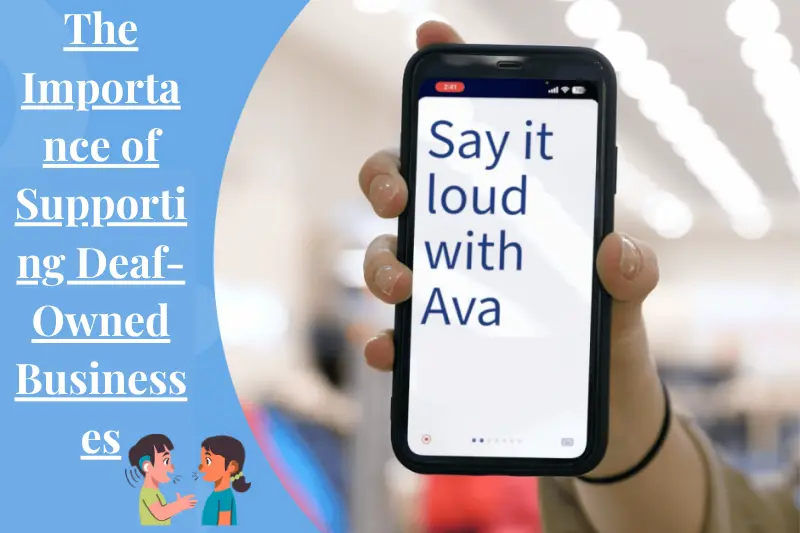
Supporting deaf-owned businesses is more than a gesture of goodwill — it’s an investment in equality, accessibility, and community empowerment. Every time consumers choose to buy from a deaf entrepreneur, they’re helping dismantle barriers that have long limited opportunities for people in the Deaf community.
Promoting Economic Empowerment
Deaf entrepreneurs often face unique challenges, such as communication barriers, limited networking opportunities, and lack of visibility in mainstream markets. By supporting deaf business owners, we help close the economic gap and create a more inclusive marketplace where talent and innovation can thrive, regardless of hearing ability.
Encouraging Diversity and Representation
When we amplify Deaf-owned brands, we also amplify representation. Visibility matters — especially for young Deaf individuals who rarely see people like themselves in leadership or entrepreneurial roles. Seeing successful deaf entrepreneurs in action inspires others to dream bigger and pursue their passions.
Building Inclusive Communities
Choosing to support Deaf-owned businesses strengthens the bond between the Deaf and hearing communities. These enterprises often serve as bridges for cultural exchange, encouraging more people to learn sign language and understand Deaf culture. This fosters empathy, awareness, and collaboration — essential values for a truly inclusive society.
Driving Innovation Through Accessibility
Many deaf-owned companies lead the way in accessible design and inclusive customer experiences. From visual alerts and captioned content to sign-friendly interfaces, they create solutions that benefit everyone — not just those who are deaf or hard of hearing. In this way, accessibility becomes innovation, and innovation becomes universal.
Supporting a Deaf-owned business is a meaningful way to create real change. It transforms everyday choices into acts of advocacy — proving that when we uplift underrepresented entrepreneurs, we uplift entire communities.
Challenges Faced by Deaf Entrepreneurs
While the number of deaf-owned businesses continues to grow, deaf entrepreneurs still face significant challenges that their hearing counterparts often do not encounter. These barriers can affect every stage of business development — from startup funding to customer communication — yet many deaf business owners continue to thrive through innovation and perseverance.
Communication Barriers
One of the biggest challenges for deaf entrepreneurs is effective communication. Many business environments are not designed with accessibility in mind, making it difficult to participate fully in meetings, networking events, or client negotiations. Even with the use of sign language interpreters or captioning technology, deaf business owners often need to invest extra time and resources to ensure smooth interactions.
Limited Access to Funding and Resources
Access to capital remains a major hurdle. Many deaf-owned businesses struggle to secure loans or investors because traditional funding systems rarely consider accessibility needs. Additionally, mentorship programs or business incubators may lack staff trained to communicate effectively with Deaf participants, creating further barriers to growth.
Lack of Visibility and Representation
Despite the rise in awareness, deaf entrepreneurs are still underrepresented in mainstream media and business networks. This lack of visibility makes it harder for them to attract customers, partners, or media coverage. Without representation, many talented deaf business owners remain unseen — even though their products and services rival or surpass industry standards.
Accessibility in Technology and Marketing
In a digital-first economy, marketing and customer engagement heavily rely on video content and social media. However, many platforms still lack built-in accessibility tools, such as accurate captions or sign-language options. This limits how effectively deaf business owners can share their stories and reach broader audiences.
Social Misconceptions
Misunderstandings about deafness persist. Some hearing individuals assume that communication with deaf entrepreneurs will be difficult or inconvenient — an outdated stereotype that discourages collaboration. Overcoming these biases requires ongoing education and visibility from both the Deaf and hearing communities.
Despite these obstacles, deaf entrepreneurs continue to lead with resilience, creativity, and purpose. Every challenge faced — and overcome — becomes part of a larger story of empowerment and inclusion.
May be you like it :
Business Soft – Best Business Software And Tools 2025
Deaf Owned Business- Empowering Inclusion and Innovation
Digital Marketing for Small Businesses by Garage 2 Global – Grow Your Brand Online
FtAsiaFinance Business Trends from FintechAsia – 2025 Fintech Insights Across Asia
Eagle Pass Business – A Growing Hub for Texas Entrepreneurs
Success Stories of Deaf-Owned Businesses
Across industries and around the world, deaf-owned businesses are proving that innovation and success have no limits. These inspiring entrepreneurs are breaking barriers, creating opportunities, and showing how accessibility can drive creativity and excellence. Highlighting their stories not only celebrates their achievements but also encourages others in the Deaf community to pursue entrepreneurship.
Deafinitely Dogs! (United States)
Founded by deaf entrepreneurs passionate about accessibility and service, Deafinitely Dogs! trains service dogs to assist people with disabilities, including those who are deaf or hard of hearing. Their approach emphasizes independence, empowerment, and connection between humans and animals. The company has become a model of how Deaf-owned businesses can combine compassion with purpose-driven work.
Mozzeria (California, USA)
One of the most well-known Deaf-owned restaurants, Mozzeria was founded by Melody and Russ Stein, both deaf entrepreneurs who wanted to bring authentic Neapolitan pizza — and Deaf culture — to the heart of San Francisco. The restaurant’s success led to multiple locations and national recognition, including partnerships with Deaf employees and inclusive hospitality practices. Mozzeria has become a symbol of what accessibility and entrepreneurship can achieve together.
Signly (United Kingdom)
Signly, a tech startup launched by a deaf founder, focuses on creating sign language overlays for digital and printed content. Their mission is to make information accessible for everyone, transforming websites, public spaces, and print materials into inclusive communication channels. This deaf-owned tech company demonstrates how innovation in accessibility can have global impact.
Deafmetal (Finland)
Created by deaf designer Jenni Ahtiainen, Deafmetal is a fashion and accessories brand that redefines hearing aid design. By combining function and fashion, Ahtiainen empowers people who wear hearing aids to express their style confidently. The brand has gained international attention for its creative fusion of design, identity, and accessibility — a shining example of deaf entrepreneurship meeting artistry.
The Deaf Academy Café (Australia)
Run by a team of deaf business owners, this café doubles as a learning hub where Deaf youth gain real-world work experience. It offers a welcoming space for both Deaf and hearing customers, encouraging the use of sign language and cultural exchange. The café embodies the heart of community-based Deaf-owned businesses — connection, inclusion, and empowerment.
These examples show that deaf entrepreneurs aren’t just succeeding — they’re redefining what success looks like. Each story proves that with vision, creativity, and community support, Deaf-owned businesses can flourish and inspire change worldwide.
May be you like it :
15+ Personal Development Synonyms to Improve Your Writing And Growth in 2025
Personal Development Life Coaching – Transform Your Life with Expert Guidance
What Is Personal Development? Meaning, Benefits, and Life Coaching Insights
Example of Personality Development – Key Tips, Benefits An Real-Life Examples
Personal Development – Your Guide to Self-Growth and Success
How to Find and Support Deaf-Owned Businesses
Supporting Deaf-owned businesses is one of the simplest yet most powerful ways to promote inclusion and accessibility. Whether you’re a conscious consumer, organization, or fellow entrepreneur, every effort to uplift Deaf entrepreneurs helps create a more equitable economy. But how do you find these businesses — and how can you make a real difference?
Explore Deaf-Owned Business Directories
Several online platforms and directories are dedicated to showcasing Deaf-owned businesses around the world. These databases make it easy to discover Deaf-led companies by category or location.
Some helpful resources include:
- DeafBusiness.org – A growing directory of deaf-owned and operated companies in various industries.
- National Deaf Business Institute (NDBI) – Offers listings, resources, and mentorship programs for deaf entrepreneurs.
- Buy Deaf-Owned – A community-driven initiative promoting Deaf business owners through verified listings and social media features.
Follow and Share on Social Media
Social media platforms are essential tools for visibility. Look for hashtags like #DeafOwned, #DeafBusiness, #SupportDeafBusinesses, or #DeafEntrepreneur to discover new brands and connect directly with Deaf creators and companies. Sharing their posts, leaving positive reviews, and tagging their pages helps increase reach and credibility.
Shop from Deaf-Owned Brands
Make a conscious choice to buy from Deaf-owned businesses — whether it’s a local café, online store, or creative service. Each purchase supports Deaf livelihoods, accessibility initiatives, and Deaf culture visibility. Even small actions, like recommending a Deaf-owned brand to a friend, contribute to larger systemic change.
Collaborate and Partner
If you run a business or organization, consider partnerships with Deaf entrepreneurs. Collaboration through joint campaigns, sponsorships, or vendor relationships helps normalize inclusion in professional spaces. It also shows that accessibility and innovation can coexist and thrive.
Advocate for Accessibility
Supporting Deaf-owned companies goes beyond buying products — it also means advocating for accessibility in the wider marketplace. Encourage other businesses to implement inclusive hiring practices, offer sign language support, and make their digital spaces more accessible to all.
By taking these simple yet impactful steps, you help amplify Deaf voices, sustain Deaf creativity, and strengthen the global movement toward inclusion. Supporting Deaf-owned businesses isn’t just good ethics — it’s good economics, community-building, and humanity in action.
Tips for Aspiring Deaf Entrepreneurs
Starting and growing a deaf-owned business takes courage, vision, and persistence — but it’s absolutely achievable. The Deaf community has a long history of innovation and creativity, and with today’s technology and resources, it’s easier than ever for deaf entrepreneurs to turn their ideas into thriving enterprises. Whether you’re launching a small side business or dreaming of building a large company, these strategies can help you succeed.
Build a Strong Network
Networking may seem challenging when accessibility isn’t guaranteed, but it’s vital for growth. Look for deaf entrepreneurship organizations, online communities, and local Deaf events where you can meet mentors and collaborators who understand your journey. Platforms like National Deaf Business Institute (NDBI) and Deaf Business Academy are excellent starting points.
Leverage Accessible Technology
Modern tools have made running a deaf-owned business far more accessible. Use captioned video conferencing apps, visual alert systems, and AI-based transcription tools to communicate smoothly with clients and partners. Accessibility isn’t just for your own convenience — it can become a unique strength that sets your brand apart.
Seek Mentorship and Education
Mentorship programs designed for deaf entrepreneurs can provide valuable insights into business planning, marketing, and funding. Don’t hesitate to connect with successful deaf business owners who have already navigated the challenges you’re facing. Many are open to sharing their experiences through workshops, podcasts, and Deaf networking groups.
Apply for Grants and Funding Opportunities
There are numerous grants and funding initiatives that support deaf startups and entrepreneurs with disabilities. Research disability-inclusive programs, small business development centers, and government resources that promote equal opportunity. Having a solid business plan and clear communication strategy will improve your chances of securing support.
Embrace Deaf Culture as a Strength
Your identity is your power. Incorporate Deaf culture, sign language, and visual communication into your brand story. Authenticity builds trust and helps your business stand out in the market. Many consumers value purpose-driven brands that celebrate inclusion and diversity — and your deaf-owned business embodies that perfectly.
Market Your Story
People connect with stories more than products. Share your journey as a deaf entrepreneur on social media, through blogs, or via short videos with captions. Educating others about your mission not only builds awareness but also fosters empathy and loyalty among customers.
Success as a deaf entrepreneur isn’t just about profit — it’s about empowerment, representation, and paving the way for future generations. Every new deaf-owned business adds another layer of strength to a global movement that values accessibility, creativity, and equal opportunity for all.
The Future of Deaf-Owned Businesses
The future of deaf-owned businesses is brighter than ever. As society continues to embrace diversity, inclusion, and accessibility, deaf entrepreneurs are stepping into the spotlight — not just as business owners, but as innovators, educators, and leaders in change. Technology, social awareness, and community support are all converging to create unprecedented opportunities for the Deaf community to thrive in the business world.
The Rise of Inclusive Entrepreneurship
More organizations and investors are recognizing the power of inclusive entrepreneurship — a business model that values diversity as a source of creativity and strength. This shift means deaf entrepreneurs are finding more support, funding, and visibility than ever before. Companies that champion accessibility are increasingly viewed as industry leaders, setting a standard that benefits everyone.
Technology Driving Accessibility
The next generation of deaf-owned businesses will be shaped by cutting-edge technology. From AI-powered captioning tools to sign language avatars and visual communication platforms, tech is eliminating barriers that once made business operations difficult for the Deaf community. This evolution allows deaf startups to compete on a global scale while maintaining accessibility as a core value.
Growing Awareness and Representation
As awareness spreads, the public is becoming more intentional about supporting Deaf-owned companies. Influencers, educators, and social media campaigns are helping bring visibility to Deaf creators, makers, and service providers. With more representation in media and business networks, young Deaf individuals now have role models to look up to — inspiring the next wave of deaf entrepreneurs.
Collaboration Between Deaf and Hearing Communities
The future isn’t just about growth within the Deaf community — it’s about collaboration between Deaf and hearing professionals. When both groups work together, they generate new ideas, inclusive solutions, and stronger partnerships. This cooperation fosters mutual respect, dismantles misconceptions, and fuels innovation across industries.
Empowerment Through Education
Access to business education tailored for Deaf learners will continue to grow. With more online courses offering sign language interpretation, captioning, and visual resources, aspiring deaf entrepreneurs can learn critical business skills with ease. Education will remain the foundation for long-term empowerment and sustainable growth in the Deaf-owned business ecosystem.
The path ahead for deaf-owned businesses is one of strength, creativity, and unity. As accessibility becomes central to global business practices, Deaf entrepreneurs will not only participate in the economy — they’ll lead it. The future is inclusive, and the Deaf community is helping shape it every step of the way.
Conclusion
Deaf-owned businesses are more than just companies — they’re symbols of empowerment, innovation, and inclusion. Every Deaf entrepreneur who steps forward challenges outdated perceptions and builds bridges between communities. By supporting these businesses, we do more than buy a product or service — we invest in accessibility, representation, and equality.
The journey of deaf entrepreneurs isn’t without obstacles, but their resilience continues to inspire a global movement toward inclusive entrepreneurship. From tech innovators and designers to café owners and educators, Deaf-owned businesses are redefining what it means to succeed in a diverse and connected world.
Now more than ever, consumers have the power to make meaningful choices. When you choose to support Deaf-owned businesses, you help shape a future where every voice — spoken, signed, or written — is valued equally. Inclusion begins with awareness, and progress begins with action.
So next time you shop, collaborate, or share a story online, remember: supporting a Deaf-owned business isn’t just good for the economy — it’s good for humanity.
May be you like it :
Why Is It Important to Study Technology and Engineering? Key Benefits And Career Insights
Technology and IT- Key Trends Impact and Future Insights
Technology and IT Services – Innovative Solutions for Your Business
How Healthcare and IT Technology – Are Transforming the Future of Medical Care
