

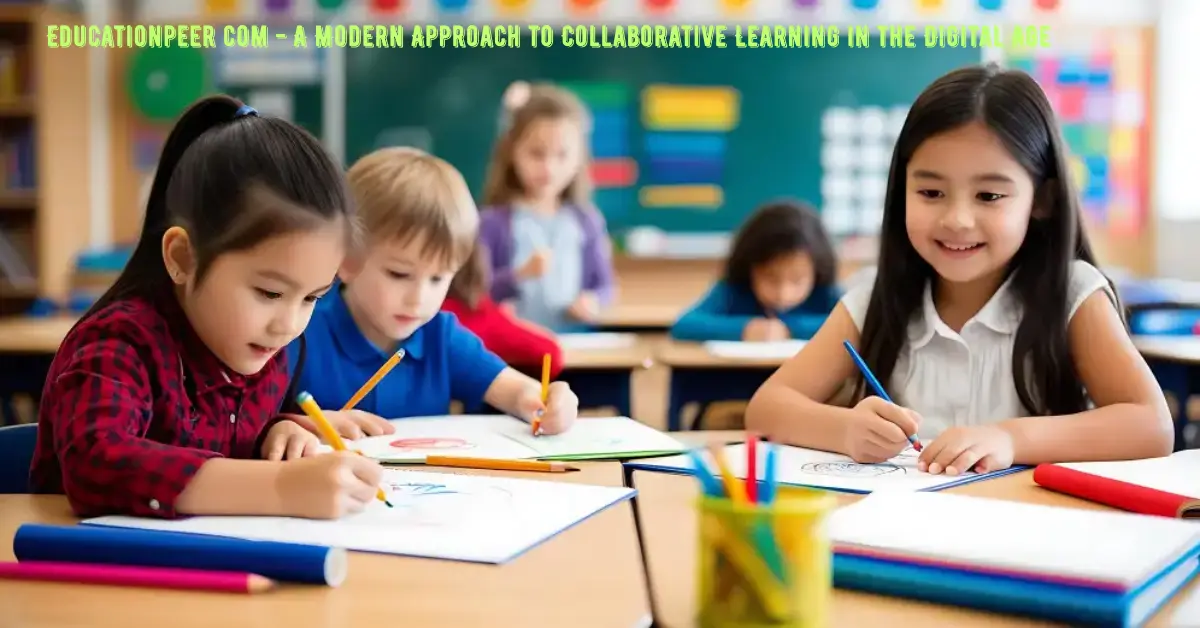
In today’s rapidly evolving digital world, the way people learn and share knowledge has changed dramatically. Traditional classrooms, textbooks, and one-way teaching methods are no longer the only paths to education. The internet has opened the door to collaborative learning, where individuals can learn from each other, share insights, and grow together. One concept that reflects this shift is educationpeer com, a term that represents the idea of peer-driven education supported by online platforms and communities.
Educationpeer com symbolizes a new model of learning where students, educators, and professionals work together in a shared learning environment. Instead of relying solely on instructors, learners interact with peers to exchange ideas, solve problems, and build knowledge collectively. This approach emphasizes cooperation, accessibility, and community engagement.
This article explores the concept of educationpeer com, how it works, its benefits, challenges, and its role in shaping the future of education.
Understanding Educationpeer com
Educationpeer com refers to a digital learning concept centered around peer-to-peer education. In this model, learners interact with other learners, sharing knowledge, resources, and experiences. The platform or idea encourages students to collaborate rather than compete, creating a supportive environment where everyone contributes to learning.
In traditional education systems, the teacher is usually the primary source of knowledge. However, educationpeer com promotes a more balanced approach where knowledge flows in multiple directions. A student who understands a topic well can help others grasp it more easily, while also reinforcing their own understanding.
This type of learning environment is commonly supported by online communities, discussion forums, shared study spaces, and collaborative tools that allow participants to communicate and exchange ideas in real time.
The Rise of Peer-Based Online Learning
The popularity of peer-based learning has grown significantly over the past decade. As technology has advanced, people have gained access to online tools that make collaboration easier than ever. Digital communication platforms, shared documents, and virtual classrooms have allowed learners from different parts of the world to connect.
Educationpeer com represents this growing trend where learning is not limited by geography or institutional boundaries. Students can connect with others who share similar academic interests, participate in discussions, and solve problems together.
One reason for the rise of peer-based education is the increasing demand for flexible learning environments. Many learners prefer studying at their own pace while still having the support of a community. Educationpeer com allows individuals to access information when they need it while engaging with peers who can provide additional explanations and perspectives.
How Educationpeer com Works
At its core, educationpeer com operates on the principle of collaboration and knowledge sharing. Instead of a strict hierarchy between teacher and student, everyone in the learning community can contribute.
Here are some common ways the educationpeer com approach works:
1. Peer Discussions
Students participate in group discussions where they exchange ideas and explain concepts to each other. These discussions often help clarify difficult topics because learners may present explanations in ways that are easier to understand.
2. Collaborative Problem Solving
Learners work together to solve assignments, practice exercises, or real-world problems. Each participant may contribute a different perspective or method, leading to deeper understanding.
3. Shared Learning Resources
Participants often upload notes, summaries, practice questions, or study guides for others to use. This shared resource system creates a collective library of knowledge.
4. Feedback and Support
Students can ask questions and receive feedback from peers who may have already mastered the topic. This support network can reduce frustration and encourage continuous learning.
Benefits of Educationpeer com
The educationpeer com model offers many advantages that make it appealing to modern learners. These benefits go beyond traditional classroom learning and emphasize community engagement.
Enhanced Understanding
When students explain concepts to each other, they often use simple language and relatable examples. This can make difficult topics easier to grasp.
Teaching others also strengthens the understanding of the person providing the explanation. By organizing their thoughts and explaining ideas clearly, learners reinforce their own knowledge.
Increased Engagement
Learning with peers is often more engaging than studying alone. Discussions, debates, and group activities keep learners active and involved in the learning process.
Educationpeer com environments encourage participation, which can increase motivation and curiosity.
Access to Diverse Perspectives
When learners come from different backgrounds, they bring unique experiences and viewpoints to the discussion. This diversity can lead to richer conversations and deeper insights.
A student from one country might approach a problem differently from someone in another region, allowing participants to explore multiple ways of thinking.
Development of Communication Skills
Collaborative learning helps students develop important communication skills. Participants learn how to explain ideas, ask meaningful questions, and provide constructive feedback.
These skills are valuable not only in education but also in professional environments where teamwork and communication are essential.
Building a Learning Community
Educationpeer com promotes a sense of belonging among learners. When students feel supported by a community, they are more likely to remain motivated and continue learning.
The collaborative environment encourages friendships, networking, and long-term academic relationships.
The Role of Technology in Educationpeer com
Technology plays a critical role in enabling peer-based education. Online platforms provide the tools needed for communication, collaboration, and resource sharing.
Several technologies support the educationpeer com concept:
Online Discussion Forums
Forums allow learners to post questions and receive responses from peers. These discussions often become valuable archives of knowledge that future learners can access.
Video Conferencing Tools
Virtual meeting platforms enable real-time discussions, group study sessions, and collaborative learning activities.
Shared Document Platforms
Cloud-based tools allow learners to collaborate on notes, research papers, and projects. Multiple users can contribute simultaneously, making teamwork more efficient.
Learning Management Systems
Many educational platforms integrate peer interaction features such as group assignments, peer assessments, and discussion boards.
These technologies create an environment where learners can connect easily and work together regardless of location.
Educationpeer com and Self-Directed Learning
One of the key aspects of the educationpeer com model is its support for self-directed learning. Instead of following a strictly structured curriculum, learners have the freedom to explore topics that interest them.
Self-directed learners often take responsibility for their own progress. They seek out resources, ask questions, and collaborate with peers to overcome challenges.
Educationpeer com communities provide a supportive framework where independent learners can still benefit from guidance and interaction with others.
Peer Learning in Academic Institutions
Many schools and universities have started integrating peer learning strategies into their educational programs. Study groups, peer tutoring programs, and collaborative projects are becoming more common.
Educationpeer com reflects these strategies in an online format, expanding the concept beyond physical classrooms. Students from different institutions can collaborate, share insights, and learn from each other’s experiences.
Peer tutoring programs are particularly effective because students who have recently mastered a subject often understand the challenges faced by others. Their explanations may resonate more with fellow learners than formal lectures.
Challenges of the Educationpeer com Model
While peer-based learning offers many advantages, it also presents certain challenges that must be addressed.
Information Accuracy
One potential issue is the accuracy of information shared among peers. Without proper moderation or expert guidance, incorrect explanations may circulate.
To maintain quality, many platforms encourage peer review or involvement from experienced educators who can verify information.
Participation Imbalance
In some groups, a few participants may dominate discussions while others remain passive. Effective community management and structured activities can help ensure balanced participation.
Motivation and Discipline
Self-directed learning requires motivation and discipline. Some learners may struggle without clear deadlines or structured guidance.
Educationpeer com platforms often address this challenge by incorporating goal-setting tools, progress tracking, and community encouragement.
Digital Accessibility
Not everyone has equal access to reliable internet or digital devices. Expanding digital infrastructure and affordable technology remains important for making peer-based education accessible to all.
The Future of Educationpeer com
The future of education is likely to include more collaborative and community-driven learning models. As technology continues to evolve, platforms inspired by the educationpeer com concept may become even more advanced.
Artificial intelligence, personalized learning systems, and interactive digital environments could enhance peer-based education by providing customized resources and recommendations.
Virtual reality and immersive learning tools may also allow students to participate in interactive group experiences, making collaboration even more engaging.
Educationpeer com represents a shift toward lifelong learning communities where individuals continuously share knowledge and support each other’s growth.
Educationpeer com and Lifelong Learning
In the modern world, learning does not end with graduation. Professionals constantly update their skills to stay competitive in their fields.
Educationpeer com communities can support lifelong learning by connecting people who want to expand their knowledge, explore new topics, or develop new skills.
These communities often include learners from different stages of life, creating opportunities for mentorship and knowledge exchange.
For example, experienced professionals may share practical insights with students, while younger learners may introduce fresh ideas and emerging technologies.
Encouraging Collaboration in Education
For the educationpeer com model to succeed, collaboration must be actively encouraged. Educational platforms and communities can promote collaboration through several strategies:
- Group projects that require teamwork and collective problem solving.
- Peer feedback systems where learners evaluate and improve each other’s work.
- Discussion-based learning that encourages critical thinking and open dialogue.
- Mentorship opportunities connecting experienced learners with beginners.
These strategies create an environment where everyone contributes and benefits from shared knowledge.
Creating a Positive Learning Culture
A successful educationpeer com environment depends on a positive and respectful learning culture. Participants should feel comfortable asking questions, sharing ideas, and making mistakes.
Constructive feedback, mutual respect, and encouragement are essential for building a supportive community.
Moderators and community leaders can help maintain this culture by guiding discussions, addressing conflicts, and ensuring that conversations remain productive.
Conclusion
Educationpeer com represents a modern approach to learning that emphasizes collaboration, community, and shared knowledge. By connecting learners with peers who have similar interests and goals, this model creates an environment where education becomes a collective experience rather than a solitary pursuit.
Through peer discussions, collaborative problem solving, and shared resources, learners can deepen their understanding and develop valuable skills that extend beyond academic knowledge. Technology has made it possible for people from different parts of the world to participate in these learning communities, breaking down traditional barriers to education.
While challenges such as information accuracy and digital accessibility remain, the benefits of peer-based learning continue to drive its growth. As educational technologies evolve, platforms inspired by the educationpeer com concept may play an even greater role in shaping the future of education.
