


Introduction:
The Prestige of the Academy Award for Best Actor
The Academy Award for Best Actor is one of the most prestigious honors in the film industry. Presented annually by the Academy of Motion Picture Arts and Sciences (AMPAS), this award celebrates the finest performances by male actors in leading roles. Since its inception in 1929, the Oscar for Best Actor has recognized some of Hollywood’s most iconic talents—legends whose performances have shaped cinema history.
Winning this award is more than just a golden trophy; it’s a symbol of artistic excellence, global recognition, and the ultimate milestone in an actor’s career. From Clark Gable and Marlon Brando to Daniel Day-Lewis and Leonardo DiCaprio, the Best Actor category has showcased remarkable versatility, emotion, and storytelling through powerful performances that continue to inspire generations of filmmakers and audiences worldwide.
What Is the Academy Award for Best Actor?
- The Academy Award for Best Actor is given to the male actor who delivers the most powerful and emotionally compelling performance in a leading role during the year.
- It acknowledges not only talent but also the ability to portray a character’s depth, emotion, and reality on screen. Winning this award often marks the highlight of an actor’s career and opens new doors in the entertainment world.
History of the Award
The first Academy Awards ceremony was held on May 16, 1929, at the Hollywood Roosevelt Hotel.
- The first Best Actor winner was Emil Jannings for his performances in The Last Command and The Way of All Flesh.
- At that time, winners were announced months before the ceremony — unlike today’s secret ballot system.
- Over the decades, the award has evolved to reflect changes in the film industry, diversity, and global storytelling.
- From the early days of silent films to today’s high-tech blockbusters, the Best Actor award continues to honor performers who define cinematic excellence.

Why the Academy Award for Best Actor Is Important
- The Oscar for Best Actor is more than just a golden trophy — it’s a symbol of global recognition and artistic success.
1. Symbol of Artistic Excellence
- Highlights remarkable talent and emotional range
- Celebrates creativity, skill, and dedication to the art of acting
- Honors performances that stand out in cinematic history
2. Global Recognition
- The Oscars reach over 200 countries every year
- Winning gives actors international fame and media attention
- Many winners become household names worldwide
3. Career Growth and Opportunities
- An Oscar win often leads to higher pay, more film offers, and increased respect in Hollywood
- It can redefine an actor’s career and attract top directors and producers
4. Inspiration for Future Generations
- Inspires aspiring actors to pursue their dreams
- Sets a high standard for passion and professionalism in the film industry
5. Cultural and Historical Impact
- Many Oscar-winning roles mirror real-world issues and inspire conversations
- Winning performances become part of film history and shape popular culture
Iconic Winners Through the Years
The list of Best Actor winners includes some of the most legendary names in Hollywood history.
Golden Age Icons
- Clark Gable – It Happened One Night (1934)
- James Stewart – The Philadelphia Story (1940)
- Marlon Brando – On the Waterfront (1954) and The Godfather (1972)
Modern Masters
- Tom Hanks – Philadelphia (1993) and Forrest Gump (1994)
- Denzel Washington – Training Day (2001)
- Leonardo DiCaprio – The Revenant (2016)
Recent Winners (2020–2025)
- 2020: Joaquin Phoenix – Joker
- 2021: Anthony Hopkins – The Father
- 2022: Will Smith – King Richard
- 2023: Brendan Fraser – The Whale
- 2024: Cillian Murphy – Oppenheimer
- 2025: (To be announced)
- Each of these performances demonstrates depth, creativity, and emotional power that continue to move audiences around the world.
How Are Winners Selected?
The Academy of Motion Picture Arts and Sciences has a strict and fair process for nominations and voting.
Nomination Stage
- Only members of the Actors Branch of the Academy nominate candidates for Best Actor.
- They vote based on outstanding performances in films released that year.
- Final Voting
- All Academy members can vote in the final round.
- Votes are counted by a certified auditing firm, ensuring fairness and secrecy.
- Announcement
The winner is revealed live during the Oscars ceremony — one of the most anticipated moments in entertainment.
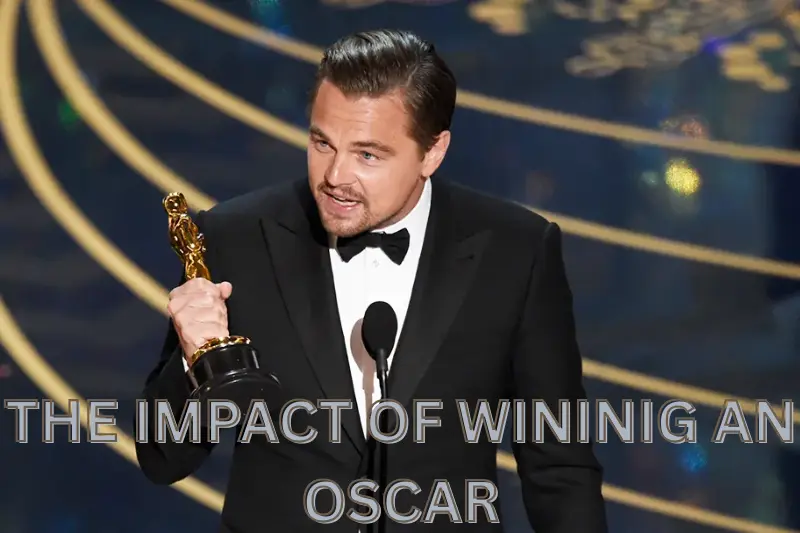
The Impact of Winning an Oscar
Winning an Academy Award can transform an actor’s career forever.
- Professional Growth: Winners often receive better film roles and global recognition.
- Financial Rewards: Increased demand often leads to higher salaries.
- Cultural Influence: Their performances are remembered and studied for decades.
- Legacy: Many Best Actor winners go on to inspire future generations and leave a lasting mark on film history.
Controversies and Criticisms
Like any major award, the Oscars have faced criticism over the years.
Common Controversies:
Lack of diversity among nominees
Overlooking certain performances (known as “Oscar snubs”)
Political influence and campaign pressure during voting
However, in recent years, the Academy has worked to improve transparency, inclusion, and fairness — ensuring that all performances are judged purely on artistic merit.
Fun Facts and Records
Here are some interesting facts that make the Best Actor award even more fascinating:
- Most Wins: Daniel Day-Lewis (3 wins)
- Most Nominations: Laurence Olivier (9 nominations)
- Youngest Winner: Adrien Brody (29 years old for The Pianist, 2002)
- Oldest Winner: Anthony Hopkins (83 years old for The Father, 2021)
- First Winner: Emil Jannings (The Last Command, 1929)
- These records show how the award continues to evolve and celebrate talent across generations.
The Award’s Legacy in Modern Cinema
- The Academy Award for Best Actor remains one of the highest honors in the world of film.
- It not only celebrates acting talent but also reminds audiences of the power of storytelling and emotion on screen.
- Even in the digital era of streaming and AI technology, the Oscar remains a timeless symbol of human creativity and artistic excellence.
Conclusion
The Academy Award for Best Actor stands as a symbol of dedication, talent, and passion in cinema.
It honors the best of the best — performers who move audiences, challenge norms, and define generations through their craft.
From its historical beginnings in 1929 to today’s global ceremonies, the award continues to inspire both established stars and new talent, keeping the magic of movies alive for years to come.
Common FAQs About the Academy Award for Best Actor
1. What is the Academy Award for Best Actor?
It’s an Oscar given each year to the best male actor in a leading role. The award recognizes outstanding acting talent and performance in a movie released during the year.
2. Who was the first actor to win the Academy Award for Best Actor?
The first winner was Emil Jannings in 1929 for his roles in The Last Command and The Way of All Flesh.
3. Who has won the most Best Actor Oscars?
Daniel Day-Lewis holds the record with three Best Actor wins — for My Left Foot, There Will Be Blood, and Lincoln.
4. Who is the youngest actor to win this award?
Adrien Brody is the youngest Best Actor winner. He was 29 years old when he won for The Pianist in 2002.
5. Who is the oldest actor to win this award?
Anthony Hopkins is the oldest winner. He won at age 83 for The Father in 2021.
6. How are the winners chosen?
Members of the Academy of Motion Picture Arts and Sciences (AMPAS) vote in two rounds — one for nominations and one for final winners. The results are kept secret until the Oscars night.
7. What is the difference between Best Actor and Best Supporting Actor?
Best Actor is for the main role in a movie.
Best Supporting Actor is for an important but smaller role.
8. How many actors have won multiple Best Actor Oscars?
Only a few!
Daniel Day-Lewis (3 wins)
Jack Nicholson, Tom Hanks, and Dustin Hoffman (2 wins each)
9. Who won the Academy Award for Best Actor in 2024?
In 2024, Cillian Murphy won for his performance in Oppenheimer.
10. Why is winning this award such a big deal?
Because it’s a sign of excellence and global recognition. Winning an Oscar can change an actor’s career forever and bring worldwide respect.
11. Where does the Oscar ceremony take place?
The Oscars are usually held at the Dolby Theatre in Hollywood, Los Angeles, USA.
12. Can non-American actors win the Best Actor Oscar?
Yes! The award is open to actors from all over the world. Many international stars like Jean Dujardin, Rami Malek, and Anthony Hopkins have won it.
