

Learning a new language opens doors to culture, connection, and opportunity—and when it comes to West Africa, few languages are as vibrant and meaningful as Yoruba. Whether you want to connect with family roots, engage with a rich cultural heritage, or expand your professional opportunities, it’s never been more valuable to learn Yoruba. Spoken by millions across Nigeria and the diaspora, the Yoruba language is more than words—it’s a gateway to understanding traditions, history, music, and social interactions that have shaped communities for centuries. By learning Yoruba, you not only gain the ability to communicate but also immerse yourself in a culture that is as expressive as it is diverse, enriching your personal, social, and professional life in countless ways.
Why You Should Learn Yoruba
The Yoruba language is one of the most widely spoken languages in West Africa, with millions of native speakers across Nigeria, Benin, Togo, and the diaspora. Learning Yoruba goes beyond simply acquiring a new language—it opens the door to understanding a rich cultural and historical heritage.
- Cultural Benefits:
By learning Yoruba, you gain insight into traditional music, folklore, festivals, and proverbs that have been passed down for generations. Yoruba culture is deeply intertwined with its language, so understanding the words, expressions, and idioms allows you to fully appreciate its art, literature, and spiritual practices. - Social Benefits:
Speaking Yoruba enhances your ability to connect with communities, whether at family gatherings, social events, or while traveling. It creates a sense of belonging and helps bridge cultural gaps, allowing you to form meaningful relationships and engage with locals in an authentic way. - Professional Benefits:
In today’s globalized world, knowing Yoruba can be a unique skill in careers related to international business, education, tourism, and cultural studies. It can differentiate you in job applications, facilitate business dealings in West Africa, and expand your network with Yoruba-speaking professionals worldwide.
Whether your goal is cultural immersion, social connection, or professional advantage, learning Yoruba is a rewarding investment that enriches your personal and professional life.
How to Learn Yoruba: Beginner’s Guide
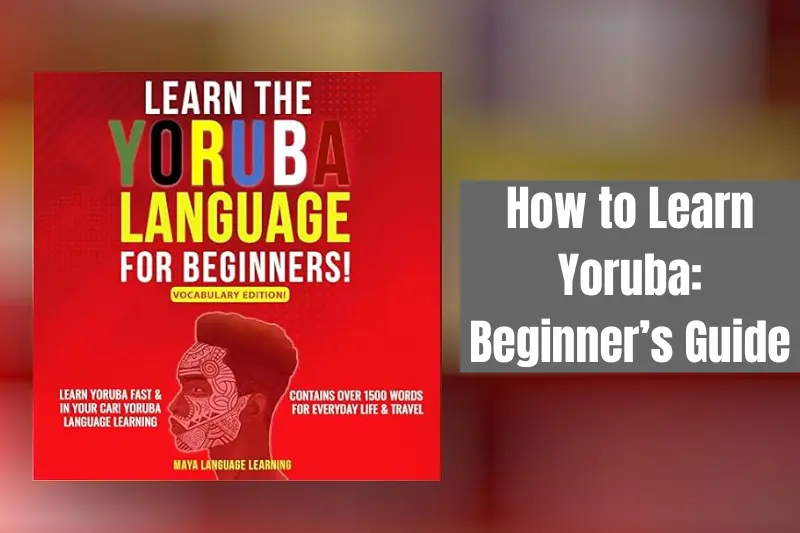
If you’re wondering how to learn Yoruba, starting with the right approach can make all the difference. Yoruba may seem challenging at first, but with consistent practice and the right resources, anyone can begin speaking and understanding the language. Here’s a step-by-step guide for beginners:
- Learn the Alphabet and Pronunciation
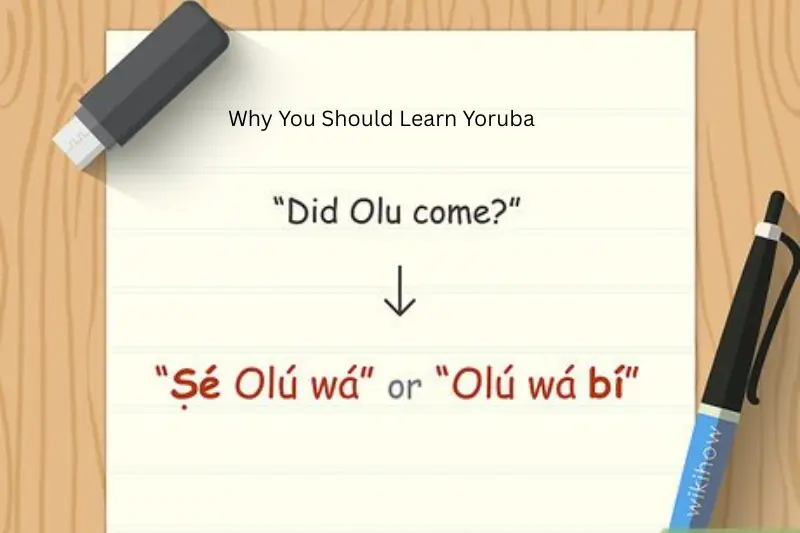
Yoruba uses the Latin alphabet, but it includes unique diacritical marks to indicate tones. Correct pronunciation is essential because changing the tone of a word can change its meaning entirely. Start by practicing basic letters, sounds, and tonal patterns. - Master Basic Greetings and Phrases
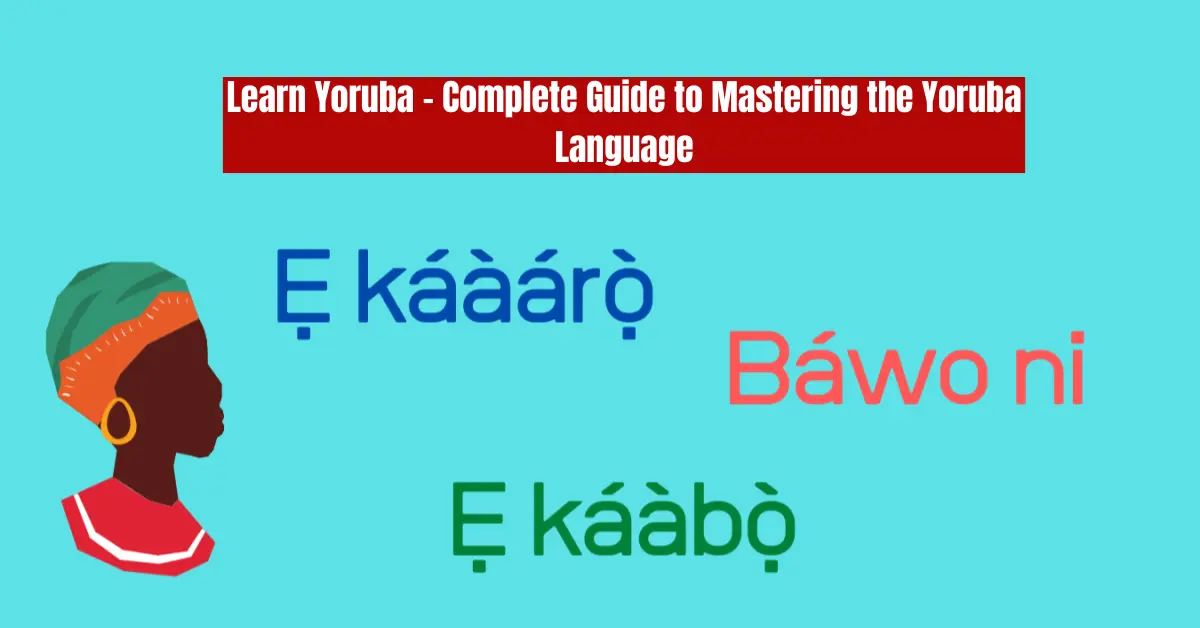
Begin with common expressions like “Hello” (Bawo ni), “Good morning” (E kaaro), and “Thank you” (E se). Daily practice of simple phrases builds confidence and prepares you for conversations. - Build Your Vocabulary
Focus on words used in everyday life: numbers, colors, family terms, and food items. Gradually expand your vocabulary to include verbs, adjectives, and common expressions. Flashcards, apps, and word lists are great tools to reinforce learning. - Practice Listening and Speaking
Listening to native speakers helps you get used to pronunciation, rhythm, and tone. You can watch Yoruba movies, listen to music, or follow podcasts. Pair listening with speaking practice to improve fluency. - Immerse Yourself in the Language
Use Yoruba in daily life whenever possible. Label household items in Yoruba, write simple sentences, or chat with friends and family who speak the language. Immersion accelerates learning and makes it more enjoyable.
By following these steps, anyone can begin learning Yoruba effectively. The key is consistent practice, patience, and integrating the language into everyday life.
Effective Methods for Learning Yoruba
When it comes to learning Yoruba or deciding how to learn Yoruba language, using the right methods can significantly boost your progress. Here are some of the most effective strategies:
- Use Language Learning Apps and Online Courses
Apps like Duolingo, Memrise, and specialized Yoruba courses offer structured lessons for beginners and advanced learners. These platforms help you practice vocabulary, grammar, and pronunciation daily. - Read Books and Written Materials
Start with beginner-friendly Yoruba books, phrasebooks, and children’s stories. Reading improves your understanding of sentence structure, spelling, and cultural context, while gradually increasing your vocabulary. - Listen to Yoruba Audio Resources
Podcasts, music, and audiobooks in Yoruba help you become familiar with pronunciation, tones, and conversational flow. Listening regularly enhances comprehension and makes speaking more natural. - Practice with Native Speakers
Nothing beats real-life practice. Engage with Yoruba speakers through language exchange platforms, community groups, or family connections. Conversations with native speakers help you gain confidence and pick up colloquial expressions. - Immerse Yourself in the Culture
Learning a language is more than memorizing words—it’s about understanding the people who speak it. Attend Yoruba cultural events, watch movies, or explore online forums. Cultural immersion strengthens your language skills while deepening your appreciation of Yoruba traditions.
By combining these methods, you can learn Yoruba language efficiently, making the process enjoyable and practical. Consistency and engagement are key to mastering the language.
Common Challenges and How to Overcome Them
While learning a new language is rewarding, beginners often face challenges when trying to learn Yoruba. Understanding these obstacles and knowing how to overcome them can make your learning journey smoother.
- Mastering Tones and Pronunciation
Yoruba is a tonal language, meaning that the pitch or tone of a word can completely change its meaning. For example, “oko” can mean “farm,” “husband,” or “vehicle,” depending on the tone. To overcome this, practice with audio resources, mimic native speakers, and repeat words until the tones feel natural. - Understanding Grammar and Sentence Structure
Yoruba grammar differs from English, with unique sentence structures and verb usage. Beginners may find it confusing at first. Break sentences into smaller parts, learn common patterns, and practice forming simple sentences daily. - Building Vocabulary
Expanding your vocabulary takes time. Focus first on high-frequency words used in daily conversations. Use flashcards, spaced repetition apps, and label items around your home in Yoruba to reinforce learning. - Staying Consistent and Motivated
Learning any language requires regular practice. To stay motivated, set small goals, track your progress, and celebrate achievements, no matter how small. Join online communities or study groups to keep your learning engaging. - Finding Reliable Resources
Not all resources are equally effective. Look for trusted apps, books, podcasts, and language courses designed specifically for Yoruba learners. Practicing with native speakers also ensures your learning is accurate and authentic.
By anticipating these challenges and using practical strategies, you can overcome obstacles and continue confidently on your journey of learning Yoruba.
Resources for Learning Yoruba
To make your journey of learning Yoruba easier and more effective, using the right resources is essential. Whether you’re a beginner or looking to improve your skills, these tools can help you learn Yoruba language efficiently.
Language Learning Apps
- Duolingo – Offers structured lessons for basic Yoruba vocabulary and phrases.
- Memrise – Focuses on interactive exercises and daily practice to reinforce learning.
- Drops – Great for memorizing common words and expressions quickly.
Books and Phrasebooks
- Colloquial Yoruba – Ideal for beginners and intermediate learners.
- Complete Yoruba: A Teach Yourself Guide – Covers grammar, vocabulary, and common phrases.
- Yoruba-English dictionaries – Essential for expanding vocabulary and understanding sentence structure.
Audio and Video Resources
- Podcasts – Shows like Yoruba Language Lessons help with listening and pronunciation.
- YouTube Channels – Channels focused on teaching Yoruba conversationally and culturally.
- Music and Films – Listening to Yoruba songs or watching movies builds comprehension in an enjoyable way.
Practice with Native Speakers
- Join language exchange platforms like italki or Tandem to practice speaking with native Yoruba speakers.
- Engage in online Yoruba communities, social media groups, or local cultural centers.
Cultural Immersion
- Attend Yoruba cultural festivals, workshops, and local events.
- Follow blogs, forums, and social media pages dedicated to Yoruba culture and language.
By combining these resources, you can create a balanced learning routine that helps you learn Yoruba effectively while enjoying the process.
Frequently Asked Questions (FAQ)
How long does it take to learn Yoruba?
The time it takes to learn Yoruba depends on your dedication, practice frequency, and learning methods. Beginners who practice consistently can start forming basic sentences in a few weeks, while fluency may take several months to a few years.
Is Yoruba hard to learn?
Yoruba can be challenging for beginners due to its tonal system and unique grammar. However, with regular practice, use of resources, and immersion in the language, learning Yoruba becomes manageable and enjoyable.
Can I learn Yoruba online?
Absolutely! There are many apps, online courses, podcasts, and YouTube channels designed for learners. Practicing online with native speakers also provides real-life conversational experience.
What is the best way to learn Yoruba?
A combination of methods works best: using language apps, reading books, listening to audio resources, practicing with native speakers, and immersing yourself in Yoruba culture. This approach ensures balanced development of reading, writing, speaking, and listening skills.
Why should I learn Yoruba?
Learning Yoruba connects you to a rich cultural heritage, enhances social interactions, and opens professional opportunities. It allows you to communicate meaningfully with millions of speakers across Nigeria and the diaspora.
Conclusion
Learning a new language is a journey, and choosing to learn Yoruba is a decision that opens doors to culture, communication, and personal growth. From understanding the rich traditions of the Yoruba people to connecting with communities socially and professionally, the benefits of mastering the Yoruba language are vast.
By following practical steps, using effective resources, and staying consistent in your practice, anyone can start learning Yoruba and gradually become fluent. Whether you’re a beginner or looking to improve your skills, embracing this language allows you to engage with millions of speakers, appreciate the culture deeply, and expand your horizons.
Start your journey today—immerse yourself in the language, practice regularly, and enjoy the rewarding experience of learning the Yoruba language.
