

Introduction
In today’s fast-paced digital world, companies of all sizes rely heavily on technology to stay competitive, efficient, and scalable. One term gaining attention in this landscape is “Business Soft”—a shorthand reference to business software solutions designed to streamline operations, automate tasks, and enhance decision-making across departments.
Whether you’re managing finances, handling customer relationships, or tracking team productivity, the right business software can make all the difference. Especially for startups and growing enterprises, investing in the right tools for small businesses isn’t just a convenience—it’s a necessity for survival in 2025’s competitive market.
With the rapid rise of cloud computing, artificial intelligence, and automation, the importance of integrated, easy-to-use business software continues to grow. Companies are now moving away from outdated systems and toward flexible, scalable solutions tailored to their industry and goals.
In this guide, we’ll explore what Business Soft really means, why it matters in 2025, and how to choose the best tools to help your business grow smarter—not harder.
What Is Business Soft?

The term “Business Soft” is commonly used as a shorthand for business software — a broad category of digital tools designed to help businesses manage their daily operations, data, and processes more efficiently. These software solutions can be standalone programs or integrated platforms that support a variety of functions such as accounting, customer relationship management (CRM), human resources, inventory tracking, and more.
Modern business software has evolved from bulky, expensive systems into flexible, cloud-based solutions that are accessible, affordable, and scalable. Whether you’re a small startup or a growing enterprise, adopting the right business soft tools can streamline workflows, reduce manual errors, and ultimately boost productivity.
There are several types of business software available today:
- Accounting software (e.g., QuickBooks, Xero)
- CRM tools (e.g., HubSpot, Salesforce)
- Project management software (e.g., Trello, Asana)
- HR and payroll systems
- Inventory and POS software
These solutions not only help manage core business functions but also provide valuable insights through real-time data and reporting features.
As the demand for tools for small businesses increases, understanding what “Business Soft” encompasses becomes crucial for selecting the right system tailored to your needs.
May be you like it :
Academic Education Definition And Meaning Explained
Learn From the Best TFT Players – Top Tips To Climb Ranked Fast
Community Learning Center Academics – Educational Programs at Rowville Community Centre
Academic Learning Disabilities – Causes, and Support Strategies
What Was One Important Academic Skill the Blogger Learned? Discover the Game-Changing Habit
Why Your Business Needs Business Software
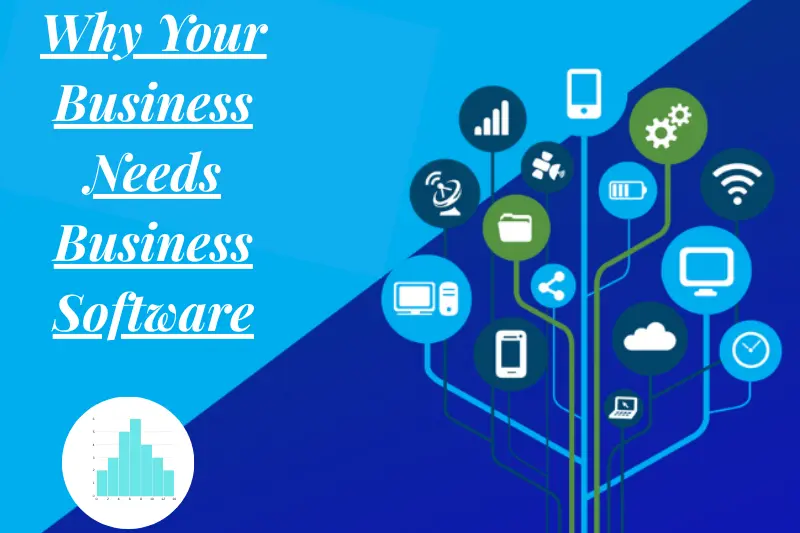
In an increasingly digital world, relying on manual processes or outdated tools can slow your business down and limit growth potential. That’s where business software, or Business Soft, comes in. These tools are no longer just “nice to have” — they’re essential for businesses looking to stay competitive, agile, and customer-focused in 2025 and beyond.
One of the biggest advantages of using business soft tools is automation. From sending invoices to tracking inventory or managing customer data, software can handle time-consuming tasks with greater accuracy and speed. This allows business owners and teams to focus on strategic growth instead of repetitive admin work.
Business software also supports scalability. As your business grows, the right tools can grow with you — offering advanced features, integrations, and analytics that support more complex operations without needing to rebuild your systems from scratch.
For startups and entrepreneurs, there’s a wide range of affordable, user-friendly tools for small businesses that level the playing field against larger competitors. Whether you need a CRM, accounting software, or project management tool, investing early in the right system can save time, reduce errors, and improve decision-making.
In short, Business Soft is not just a tech upgrade — it’s a strategic business move.
Top Business Software Tools in 2025
With so many options on the market, choosing the right business software can feel overwhelming — especially for startups or small businesses working with tight budgets. To help you get started, here’s a list of some of the top-performing business soft tools in 2025, categorized by function.
Accounting & Finance
- QuickBooks Online – A reliable choice for small to mid-sized businesses. Offers invoicing, expense tracking, payroll, and tax features.
- Xero – Great for managing cash flow, bank reconciliation, and financial reporting, with a user-friendly interface.
Customer Relationship Management (CRM)
- HubSpot CRM – Free to start, scalable, and packed with features for sales tracking, email automation, and lead nurturing.
- Zoho CRM – Affordable and customizable for businesses that need deeper automation and integrations.
Project Management
- Trello – Simple and visual, ideal for small teams managing tasks and deadlines.
- Asana – Offers more structure and automation for growing businesses managing multiple projects.
Communication & Collaboration
- Slack – Real-time team messaging and file sharing.
- Zoom – For virtual meetings, webinars, and client calls.
E-commerce & Inventory
- Shopify – A leading e-commerce platform for businesses selling online.
- TradeGecko (now QuickBooks Commerce) – For inventory management and order tracking.
HR & Payroll
- Gusto – Automates payroll, taxes, and employee onboarding.
- BambooHR – Ideal for managing employee data, time off, and performance reviews.
These tools for small businesses are designed to improve efficiency, boost customer satisfaction, and support scalable growth. Whether you’re managing finances, customers, or projects, the right business soft solution can transform how you operate.
May be you like it :
Business Soft – Best Business Software And Tools 2025
Deaf Owned Business- Empowering Inclusion and Innovation
Digital Marketing for Small Businesses by Garage 2 Global – Grow Your Brand Online
FtAsiaFinance Business Trends from FintechAsia – 2025 Fintech Insights Across Asia
Eagle Pass Business – A Growing Hub for Texas Entrepreneurs
How to Choose the Right Business Soft for Your Company (H2)
Choosing the right business soft for your company isn’t just about picking the most popular software — it’s about finding a tool that aligns with your unique needs, goals, and budget. Whether you’re a solopreneur or managing a growing team, here are key factors to consider before making a decision:
Identify Your Business Needs
Start by mapping out the areas where you need the most support — is it accounting, customer management, team collaboration, or all of the above? Clarifying this helps you narrow down the type of business software that will deliver the most value.
Consider Your Team Size and Skill Level
Choose software that’s intuitive and easy for your team to adopt. Many tools for small businesses offer simplified dashboards and built-in tutorials to reduce the learning curve.
Cloud-Based vs. On-Premise
In 2025, most companies prefer cloud-based business software for its flexibility, lower upfront cost, and remote access. However, on-premise solutions may offer more control and data security for certain industries.
Scalability and Integrations
Ensure your business soft tool can grow with you. Look for platforms that integrate easily with other systems (like email, CRM, or e-commerce) and offer upgrade options as your operations expand.
Budget and ROI
Set a realistic budget — but don’t base your choice solely on price. Consider the long-term return on investment (ROI), including time saved, errors reduced, and revenue increased.
By taking the time to evaluate your options carefully, you’ll avoid costly mistakes and choose a system that supports your success today and well into the future.
May be you like it :
15+ Personal Development Synonyms to Improve Your Writing And Growth in 2025
Personal Development Life Coaching – Transform Your Life with Expert Guidance
What Is Personal Development? Meaning, Benefits, and Life Coaching Insights
Example of Personality Development – Key Tips, Benefits An Real-Life Examples
Personal Development – Your Guide to Self-Growth and Success
Common Challenges and How to Overcome Them
While implementing business soft solutions can bring massive benefits, the process isn’t always smooth. Many businesses — especially small and growing ones — face challenges when adopting new business software. Fortunately, these issues can be managed with the right strategies.
High Upfront Costs or Subscription Fatigue
Even though many tools for small businesses are budget-friendly, costs can add up with monthly subscriptions or feature upgrades.
How to overcome it:
Start with free or freemium plans. Only invest in premium features once you’ve validated the tool’s value. Bundle tools where possible or look for all-in-one platforms to reduce software sprawl.
Team Resistance to Change
Employees may resist new systems, especially if they’re used to manual processes or older tools.
How to overcome it:
Involve your team early in the selection process. Offer hands-on training and highlight how the business soft will make their jobs easier, not harder.
Data Migration and Integration Issues
Moving data from old systems into new software — or connecting new tools with existing ones — can be tricky.
How to overcome it:
Choose software that offers easy integrations or works with APIs. If possible, work with a vendor that provides onboarding support or data migration services.
Security and Privacy Concerns
Businesses handling sensitive data must be careful about where and how their information is stored.
How to overcome it:
Use trusted business software providers with strong security credentials (SSL, encryption, GDPR compliance). For added security, consider tools that offer two-factor authentication and regular backups.
Lack of Customization
Off-the-shelf software may not perfectly match your workflows.
How to overcome it:
Look for customizable platforms or those that offer workflow automation features. As your business grows, consider custom business software solutions tailored to your exact needs.
Being aware of these common pitfalls — and knowing how to avoid them — will make your business soft journey smoother and more successful.
The Future of Business Software
As technology evolves, so does the landscape of business software. In 2025 and beyond, we’re seeing major shifts that will redefine how companies operate, compete, and grow. Understanding these trends can help you future-proof your operations and choose business soft tools that keep you ahead of the curve.
Artificial Intelligence (AI) and Automation
AI is becoming a standard feature in modern business soft tools. From chatbots in customer service to predictive analytics in sales and inventory, AI helps automate complex tasks and deliver smarter insights. Expect more tools to offer real-time decision-making assistance, saving time and improving accuracy.
Cloud-First Everything
Cloud-based business software isn’t just a trend — it’s the new standard. It allows for greater flexibility, remote access, automatic updates, and lower maintenance costs. In 2025, most small businesses are prioritizing cloud-first tools to stay mobile and scalable.
Increased Focus on Cybersecurity
With growing digital adoption comes greater risk. Future business soft platforms are being built with stronger security protocols, including end-to-end encryption, advanced access controls, and compliance with international data privacy laws like GDPR and CCPA.
Greater Integration and Interoperability
Businesses want their tools to “talk to each other.” Software platforms are moving toward seamless integrations, offering open APIs and plug-ins that let teams connect CRM, marketing, finance, and operations in one unified system.
Sustainability and Ethical Tech
More companies are evaluating not just what software does — but how it’s built and hosted. Energy-efficient data centers, carbon-neutral vendors, and transparent AI practices are becoming key decision points when choosing business software.
The future of Business Soft is smarter, faster, and more connected than ever. By staying aware of these trends, your business can adopt tools that not only meet today’s needs but also adapt to tomorrow’s challenges.
Conclusion
In a world where time, data, and efficiency drive success, adopting the right business soft solutions is more than just a tech upgrade — it’s a strategic decision that impacts every area of your business. From automating everyday tasks to providing deep insights for smarter decisions, business software empowers companies to work faster, grow smarter, and compete with confidence.
Whether you’re a solo entrepreneur, a startup founder, or a small business owner, there are countless tools for small businesses designed to fit your needs, budget, and goals. The key is to choose wisely — based on functionality, scalability, security, and support — so your software grows with you, not against you.
As we move further into 2025, the digital landscape will only continue to evolve. Businesses that embrace the shift early and invest in the right technology will be the ones leading the way.
Ready to take the next step? Start by evaluating your current systems, exploring the tools listed in this guide, and choosing a business soft solution that aligns with your future.
May be you like it :
Why Is It Important to Study Technology and Engineering? Key Benefits And Career Insights
Technology and IT- Key Trends Impact and Future Insights
Technology and IT Services – Innovative Solutions for Your Business
How Healthcare and IT Technology – Are Transforming the Future of Medical Care
