

Introduction
Education plays a vital role in shaping individuals and societies, but not all education is the same. One of the most widely recognized forms is academic education, which focuses on structured learning, theoretical knowledge, and formal qualifications. Understanding the academic education definition and the deeper academic education meaning is important for students, parents, and educators who want to make informed decisions about learning pathways. In today’s rapidly changing world, where skills and knowledge directly impact career growth and personal development, knowing exactly what academic education stands for helps us appreciate its value and role in building a successful future.
What is Academic Education?

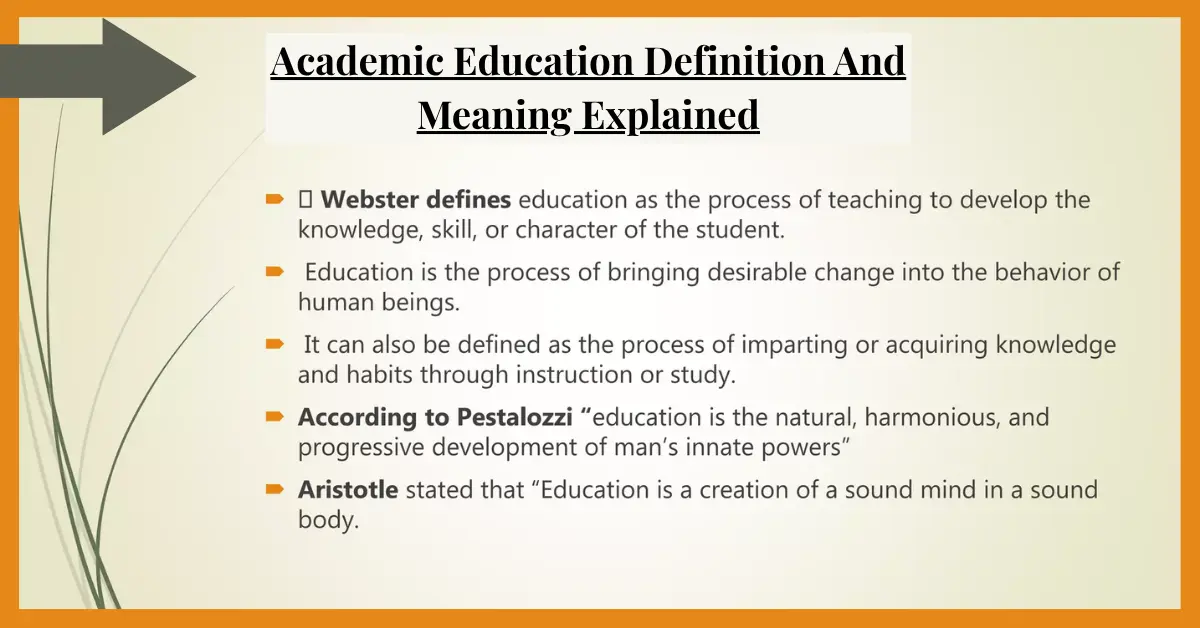
At its core, academic education refers to a structured form of learning that takes place within formal institutions such as schools, colleges, and universities. It is based on a predefined curriculum, guided by teachers or professors, and usually leads to certifications, diplomas, or degrees.
The academic education definition can be described as the process of gaining theoretical knowledge across a wide range of subjects, including science, mathematics, literature, history, and the arts. Unlike informal or vocational learning, which often focuses on specific skills or practical training, academic education emphasizes critical thinking, problem-solving, and intellectual growth.
In simpler terms, academic education provides learners with a broad foundation of knowledge, preparing them not just for careers, but also for active participation in society.
May be you like it :
Academic Education Definition And Meaning Explained
Learn From the Best TFT Players – Top Tips To Climb Ranked Fast
Community Learning Center Academics – Educational Programs at Rowville Community Centre
Academic Learning Disabilities – Causes, and Support Strategies
What Was One Important Academic Skill the Blogger Learned? Discover the Game-Changing Habit
Academic Education Meaning in Today’s Context
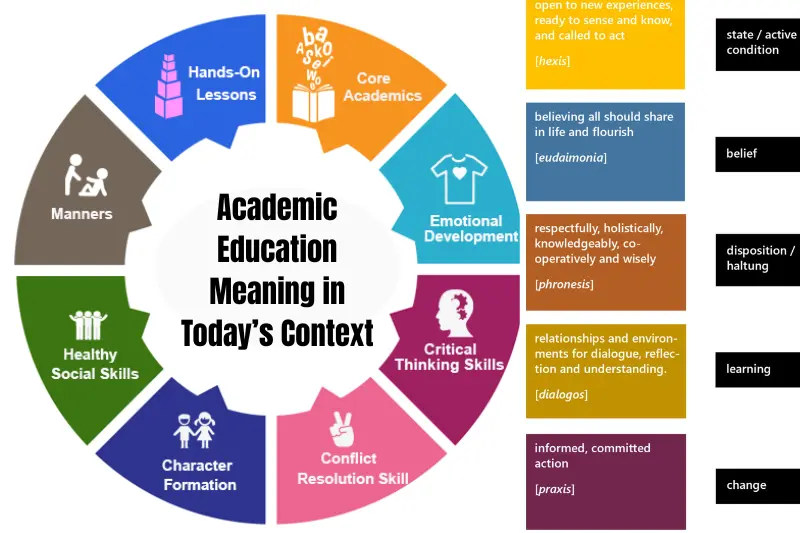
While the definition of academic education explains its structured and formal nature, its meaning goes deeper. The academic education meaning is not only about attending classes and passing exams—it represents a pathway for intellectual development, personal growth, and social contribution.
In today’s fast-changing world, the meaning of academic education extends beyond textbooks. It teaches students how to think critically, analyze information, and adapt to new challenges. For many, academic education also serves as a stepping stone toward higher education and professional careers, opening doors to opportunities that might otherwise remain out of reach.
At the same time, academic education meaning has evolved with technology and globalization. Online learning platforms, virtual classrooms, and international collaborations have made academic education more accessible, flexible, and relevant than ever before.
Key Characteristics of Academic Education
Academic education has certain defining features that make it distinct from other forms of learning. These characteristics explain why it continues to be valued across cultures and generations:
Structured Curriculum
- Academic education follows a systematic syllabus designed to provide comprehensive knowledge across multiple subjects.
Theoretical Foundation
- It emphasizes theories, concepts, and principles that build critical thinking skills rather than focusing only on practical applications.
Formal Assessment
- Students are evaluated through exams, assignments, and projects to measure their understanding and progress.
Qualified Instructors
- Teachers, lecturers, and professors guide the learning process, ensuring students receive expert knowledge.
Recognition Through Certification
- Academic education typically leads to degrees, diplomas, or certificates that validate a learner’s achievements.
Long-Term Learning Approach
- Unlike short-term vocational courses, academic education provides a long-term foundation for intellectual growth and career advancement.
These key characteristics show how academic education is more than just classroom learning—it is a holistic approach that develops both knowledge and intellectual capacity.
May be you like it :
Business Soft – Best Business Software And Tools 2025
Deaf Owned Business- Empowering Inclusion and Innovation
Digital Marketing for Small Businesses by Garage 2 Global – Grow Your Brand Online
FtAsiaFinance Business Trends from FintechAsia – 2025 Fintech Insights Across Asia
Eagle Pass Business – A Growing Hub for Texas Entrepreneurs
Importance of Academic Education
Academic education has long been considered a cornerstone of personal and social development. Its importance can be seen in several key areas:
Personal Development
- Academic education shapes critical thinking, communication skills, and creativity. It also nurtures curiosity and a lifelong love for learning.
Career Opportunities
- A strong academic background opens doors to better job prospects, higher salaries, and career advancement. Employers often value academic qualifications as proof of knowledge and capability.
Social Contribution
- Academic education equips individuals to become informed citizens who can contribute meaningfully to society. It fosters awareness of global issues, ethics, and civic responsibility.
Innovation and Progress
- Many advancements in science, technology, and the arts originate from academic research and education. It fuels innovation and drives the growth of economies.
Global Perspective
- With international education and online learning, academic education helps students understand diverse cultures, preparing them for a globalized world.
In short, academic education is not just about obtaining degrees—it is about building a well-rounded individual capable of succeeding in both personal and professional life.
Academic Education vs. Vocational/Practical Education
Education can take many forms, but two of the most common are academic education and vocational (or practical) education. While both are valuable, they serve different purposes:
| Aspect | Academic Education | Vocational/Practical Education |
|---|---|---|
| Focus | Theoretical knowledge across multiple subjects | Hands-on training and job-specific skills |
| Duration | Long-term (years of study in schools/universities) | Short-term (months to a few years) |
| Outcome | Degrees, diplomas, academic qualifications | Certifications, licenses, or direct job readiness |
| Learning Style | Lectures, assignments, research, exams | Workshops, internships, apprenticeships |
| Goal | Intellectual development and broader knowledge | Direct preparation for specific careers |
While academic education develops critical thinking and broad intellectual capacity, vocational education equips learners with the immediate skills required for employment in specific industries.
Ideally, a balanced combination of both academic and practical education can prepare individuals for the challenges of modern careers and personal growth.
May be you like it :
15+ Personal Development Synonyms to Improve Your Writing And Growth in 2025
Personal Development Life Coaching – Transform Your Life with Expert Guidance
What Is Personal Development? Meaning, Benefits, and Life Coaching Insights
Example of Personality Development – Key Tips, Benefits An Real-Life Examples
Personal Development – Your Guide to Self-Growth and Success
Future of Academic Education
The concept of academic education has been around for centuries, but its future is being reshaped by technology, globalization, and changing societal needs. Here are some key trends shaping where it’s headed:
Digital Learning
- Online courses, e-learning platforms, and virtual classrooms are making academic education more accessible and flexible than ever before.
Blended and Hybrid Models
- Many institutions now combine traditional classroom learning with digital tools, offering a more interactive and personalized learning experience.
Global Collaboration
- Students today can access international programs, join exchange opportunities, and collaborate with peers across the globe, making academic education more diverse and inclusive.
Focus on Skills Alongside Theory
- While theory remains central, academic institutions are increasingly incorporating practical skills, internships, and project-based learning to meet modern career demands.
Lifelong Learning
- Academic education is no longer limited to childhood or early adulthood. Continuous education, professional certifications, and advanced degrees are becoming part of lifelong career development.
The future of academic education lies in adapting to change—balancing traditional knowledge with innovative methods that prepare learners for an unpredictable, technology-driven world.
Frequently Asked Questions (FAQs)
What is the simple definition of academic education?
Academic education is a structured system of learning that takes place in schools, colleges, and universities, focusing on theoretical knowledge and formal qualifications.
What does academic education mean?
The academic education meaning goes beyond its definition—it represents intellectual development, critical thinking, and preparation for personal and professional growth.
Why is academic education important?
It provides individuals with knowledge, career opportunities, personal growth, and the ability to contribute positively to society.
What is an example of academic education?
Examples include attending school, pursuing a university degree, or completing structured programs that follow a set curriculum.
How is academic education different from vocational education?
While academic education focuses on theory and broad intellectual development, vocational education emphasizes hands-on skills and direct career preparation.
Conclusion
Academic education remains one of the most important foundations for personal growth, career development, and societal progress. By understanding the academic education definition and exploring the deeper academic education meaning, we can see that it is more than just classroom learning—it is a structured system that builds knowledge, nurtures critical thinking, and opens doors to opportunities.
As the world continues to evolve, academic education will adapt, blending tradition with innovation. Whether pursued through schools, universities, or online platforms, it continues to play a central role in shaping individuals and preparing them for the future.
May be you like it :
Why Is It Important to Study Technology and Engineering? Key Benefits And Career Insights
Technology and IT- Key Trends Impact and Future Insights
Technology and IT Services – Innovative Solutions for Your Business
How Healthcare and IT Technology – Are Transforming the Future of Medical Care
