


Introduction
Late-night cramming, forgotten deadlines, and the constant pressure to perform — every student has been there. Academic life can be overwhelming, especially when you’re juggling multiple responsibilities with little direction. Like many students, I struggled to keep up until I had a moment of reflection that changed everything. I began asking myself: what was one important academic skill the blogger learned that truly made a difference?
This question led me on a journey of self-discovery and growth. As I navigated my academic challenges, I realized that success wasn’t just about intelligence or hard work — it was about learning the right skills to manage my time, absorb information effectively, and stay consistent. The academic skill I eventually mastered didn’t just boost my grades — it reshaped the way I approached learning altogether.
The Turning Point: Realizing the Importance of Academic Skills
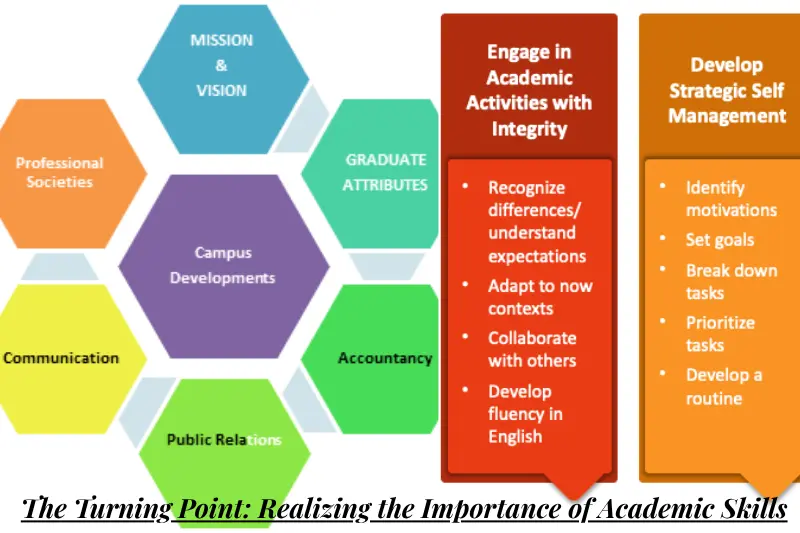
At first, I thought poor performance in school was just part of the struggle — something all students had to push through. But over time, it became clear that my challenges weren’t just about difficulty with the material; they stemmed from a lack of structure and strategy. I often felt overwhelmed, unsure of how to prioritize assignments or prepare effectively for exams.
The turning point came during a particularly stressful semester. I was falling behind in multiple subjects, constantly exhausted, and starting to lose confidence. One evening, while staring blankly at a pile of unfinished notes, it hit me: I wasn’t lacking intelligence — I was lacking skills.
That realization became a catalyst. I began researching how successful students stayed on top of their academics. Patterns started to emerge: time management, active note-taking, goal-setting, and consistent study habits. Among these, one academic skill stood out and became a game-changer for me — the skill that would transform my entire academic journey.
May be you like it :
Academic Education Definition And Meaning Explained
Learn From the Best TFT Players – Top Tips To Climb Ranked Fast
Community Learning Center Academics – Educational Programs at Rowville Community Centre
Academic Learning Disabilities – Causes, and Support Strategies
What Was One Important Academic Skill the Blogger Learned? Discover the Game-Changing Habit
The Skill That Changed Everything: Time Management
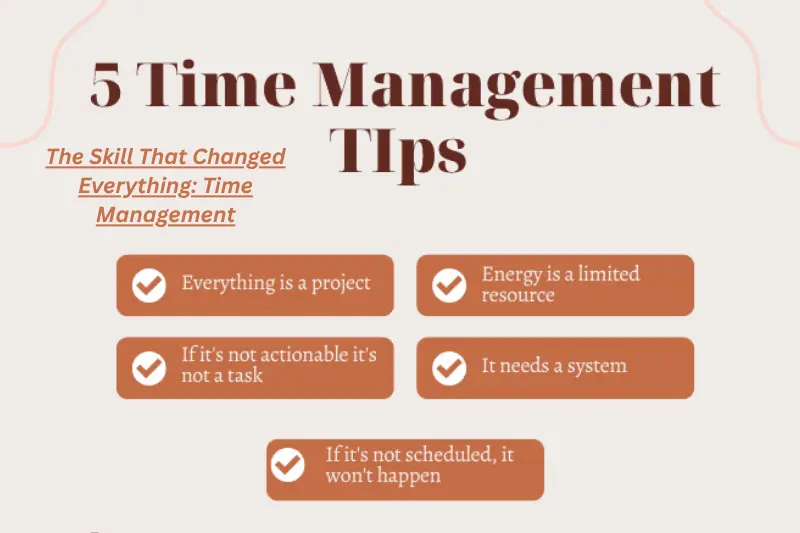
Of all the strategies I explored, time management stood out as the one that had the most immediate and powerful impact. At first, it sounded simple — just organize your time better. But as I dug deeper, I realized that mastering time management wasn’t just about keeping a calendar; it was about fundamentally changing how I approached my day, my priorities, and my mindset.
Before learning this skill, I’d often jump from one task to another, procrastinate until the last minute, or overestimate how much I could get done in a day. It left me feeling burned out and unproductive. Once I began applying basic time management techniques — like setting specific study hours, breaking tasks into manageable chunks, and using planners or digital tools — everything began to shift.
I started using the Pomodoro Technique to stay focused in short, intense intervals. I learned to prioritize tasks using the Eisenhower Matrix, distinguishing between what was urgent and what was actually important. And perhaps most importantly, I began scheduling breaks and downtime, which prevented burnout and kept me motivated.
Time management gave me control over my academic life. Instead of reacting to deadlines, I was planning ahead. Instead of cramming, I was reviewing. This one skill didn’t just improve my grades — it gave me confidence, balance, and a sense of progress.
How the Blogger Developed This Skill
Learning time management didn’t happen overnight. It took trial, error, and a lot of patience. In the beginning, I tried to overhaul my entire routine all at once — a mistake many students make. I quickly realized that real change happens through small, consistent habits.
Here’s how I gradually built strong time management skills:
I Started with a Simple Planner
I began using a physical planner to map out assignments, deadlines, and class schedules. Writing things down made them feel more real and less overwhelming. Later, I transitioned to digital tools like Google Calendar and Notion, which helped me track tasks and set reminders.
I Created a Weekly Study Schedule
Every Sunday evening, I’d take 20 minutes to plan out my upcoming week. I blocked off time for studying, attending classes, working part-time, and even relaxation. Having a visual overview helped me avoid last-minute cramming.
I Used the Pomodoro Technique
Working for 25-minute intervals followed by 5-minute breaks helped me stay focused without burning out. It turned long, exhausting study sessions into manageable sprints — and the results were immediate.
I Learned to Prioritize
Not all tasks are created equal. Using a to-do list with priorities (A, B, C) helped me focus on what mattered most each day. I also used the Eisenhower Matrix to separate urgent tasks from important ones — a game-changer when I was juggling multiple responsibilities.
I Set Boundaries and Protected My Time
I stopped saying “yes” to everything. I learned to protect my peak productivity hours — usually in the morning — for my most difficult tasks. I also scheduled non-academic time to recharge, which kept me from feeling overwhelmed.
Developing time management was less about being “perfect” and more about being intentional. Every small adjustment made a big difference over time. With each week, I gained more control and less stress — and I started seeing real progress in both my grades and my personal life.
May be you like it :
Business Soft – Best Business Software And Tools 2025
Deaf Owned Business- Empowering Inclusion and Innovation
Digital Marketing for Small Businesses by Garage 2 Global – Grow Your Brand Online
FtAsiaFinance Business Trends from FintechAsia – 2025 Fintech Insights Across Asia
Eagle Pass Business – A Growing Hub for Texas Entrepreneurs
The Results: Academic and Personal Growth
Once I committed to improving my time management, the results were more significant than I ever expected — and not just academically.
Academic Success
One of the most immediate benefits was a noticeable improvement in my grades. I was no longer turning in rushed assignments or pulling all-nighters before exams. Instead, I was submitting work I was proud of — with time to spare. Studying became more structured and effective, which meant I could retain more information and feel prepared for every test.
I also began participating more in class. With my schedule under control, I wasn’t constantly stressed or playing catch-up. I had the bandwidth to think critically, ask better questions, and stay engaged in my learning.
Mental Clarity and Confidence
Time management didn’t just change my academic performance — it changed how I viewed myself. I no longer felt like I was drowning in deadlines or fighting a losing battle with procrastination. I felt in control.
That sense of control brought with it a huge boost in confidence. Each productive day reinforced the idea that I was capable, focused, and resilient. I even found time to pursue other interests — reading, volunteering, and spending time with friends — without guilt or stress.
Long-Term Personal Growth
Perhaps the most powerful change was how this one academic skill rippled into every other part of my life. I started applying time management to personal goals, side projects, and even self-care routines. It wasn’t just about being a better student — it was about becoming a more balanced and intentional person.
What started with a simple planner turned into a lifelong skill — one that continues to shape my success today.
May be you like it :
15+ Personal Development Synonyms to Improve Your Writing And Growth in 2025
Personal Development Life Coaching – Transform Your Life with Expert Guidance
What Is Personal Development? Meaning, Benefits, and Life Coaching Insights
Example of Personality Development – Key Tips, Benefits An Real-Life Examples
Personal Development – Your Guide to Self-Growth and Success
Advice for Students: How You Can Learn This Skill Too
If you’re struggling with procrastination, stress, or falling behind in your studies, you’re not alone. The good news? Time management is a learnable academic skill, not an innate talent. Here’s how you can start building this essential habit today — and experience the same transformation I did.
Start with a Simple System
You don’t need fancy tools. Begin with a notebook or basic planner. Write down all your assignments, tests, and deadlines. Then, break big tasks into smaller, daily goals. Over time, you can move on to tools like Google Calendar, Todoist, or Notion to stay more organized.
Use the Pomodoro Technique
Set a timer for 25 minutes, focus on one task, then take a 5-minute break. After four rounds, take a longer 15–30 minute break. This method helps boost focus while avoiding burnout — perfect for long study sessions.
Prioritize Tasks Daily
Not everything on your list needs to be done immediately. Try using the Eisenhower Matrix or a simple A-B-C priority system to decide what needs your attention first. This helps you avoid wasting time on low-impact tasks.
Reflect and Adjust Weekly
At the end of each week, ask yourself:
- What worked well?
- What distracted me?
- What should I change next week?
This kind of reflection builds self-awareness and keeps your system flexible — both key elements of academic success.
Eliminate Distractions
Time management isn’t just about planning — it’s also about focus. Identify what steals your time (like social media or multitasking), and use tools like website blockers, or simply study in distraction-free environments.
Give Yourself Grace
Remember, building good study skills takes time. Some days will be better than others. Stay consistent, not perfect. Over time, small daily actions lead to long-term personal and academic growth.
Bonus Tip: Pair time management with other key study skills for students like active recall, spaced repetition, and effective note-taking — and you’ll be well on your way to academic excellence.
Conclusion
Looking back on my academic journey, it’s clear that mastering time management was the turning point. It wasn’t the easiest skill to learn, but it was without a doubt the most impactful. It taught me how to work smarter, not harder — and gave me the clarity and confidence I needed to thrive not just in school, but in life.
So, what was one important academic skill the blogger learned? It was the ability to manage time effectively — a skill that turned chaos into structure, procrastination into progress, and stress into confidence.
If you’re a student facing similar struggles, know this: you don’t have to do everything at once. Start small. Stay consistent. And most importantly, believe that you can learn the skills you need to succeed.
Because sometimes, all it takes is mastering one skill to completely transform your path.
May be you like it :
Why Is It Important to Study Technology and Engineering? Key Benefits And Career Insights
Technology and IT- Key Trends Impact and Future Insights
Technology and IT Services – Innovative Solutions for Your Business
How Healthcare and IT Technology – Are Transforming the Future of Medical Care
